Blogs
- Turning Silos Into a Single Flow: How Unsiloed AI Runs Every Contract End to End With Lexi“We are a small team moving fast, and contracts do not wait for us to catch up. We could review, or we could draft, or we could file, but doing all of it well through four different tools was where things fell through the cracks. With Lexi, a contract moves through one flow, and I approve the work instead of assembling it.” Aman Mishra, Co-Founder and CEO, Unsiloed AI

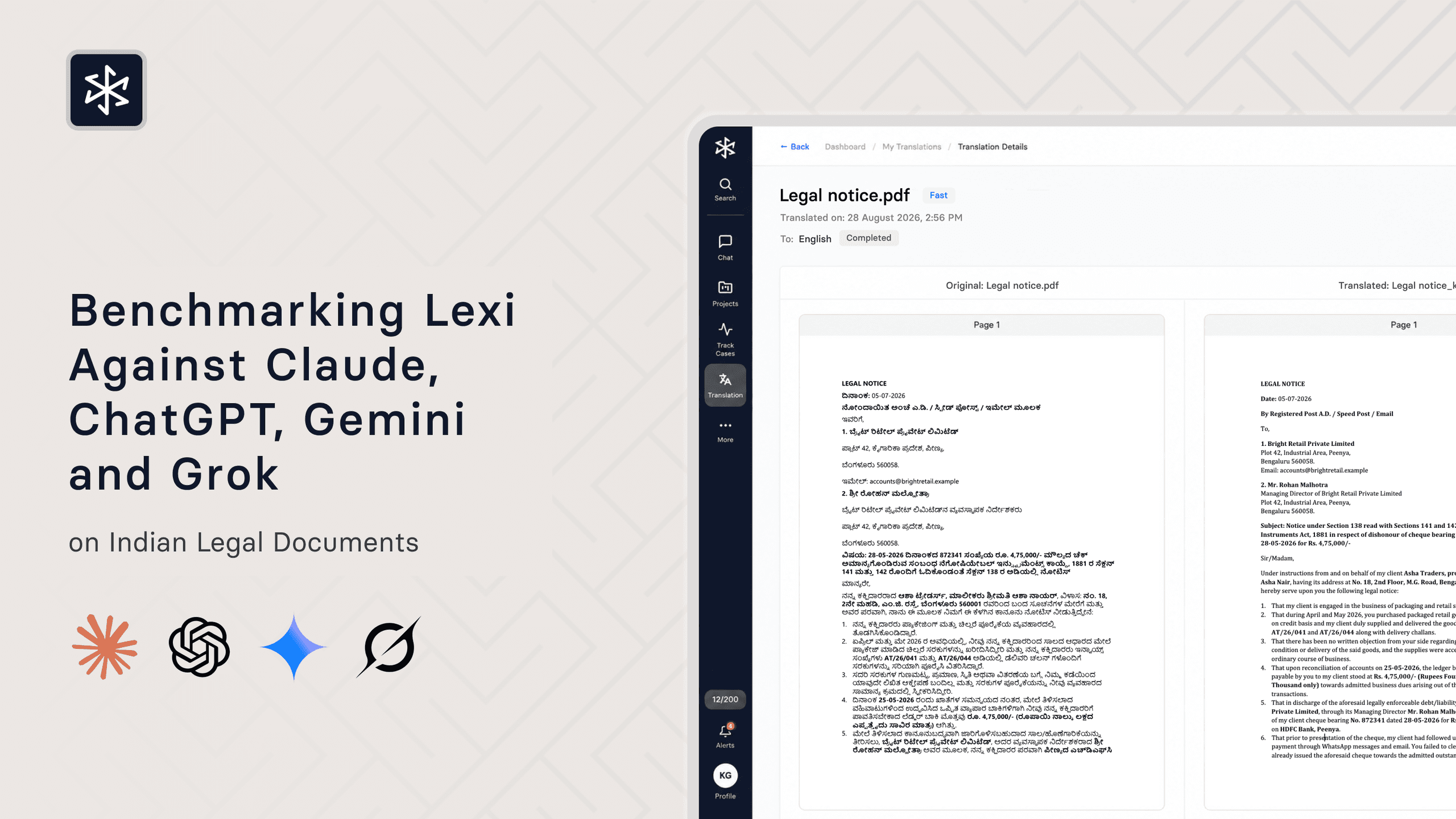
- Benchmarking Lexi Against Claude, ChatGPT, Gemini and Grok on Indian Legal DocumentsA complete guide to how Lexi performs against Claude, ChatGPT, Gemini and Grok on real, degraded Indian legal documents.
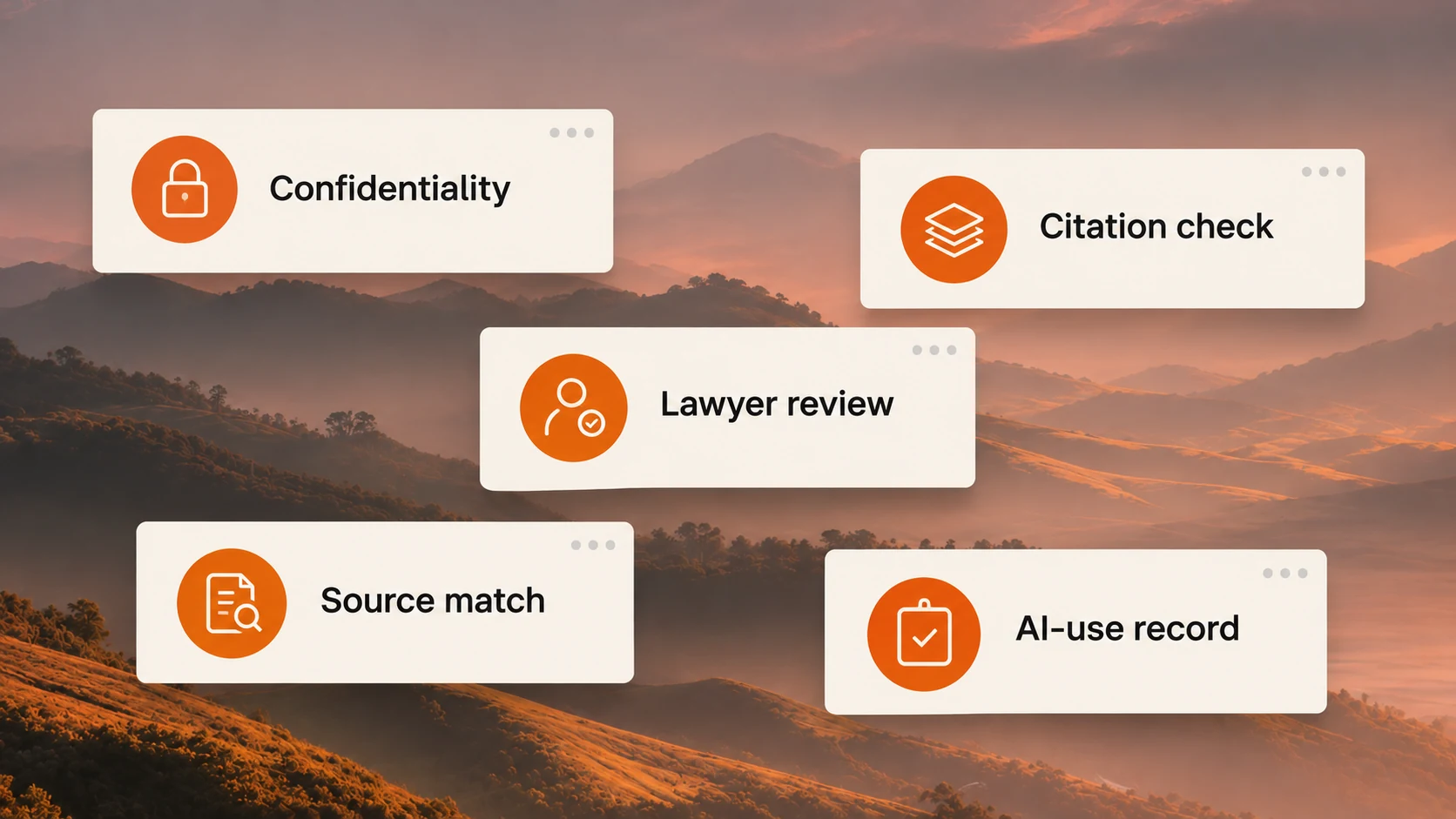
- How Lawyers Can Use AI Safely: A 5-Step ChecklistLearn how lawyers can use AI safely with a practical 5-step checklist for confidentiality, citation checks, lawyer review, source verification, and documentation.
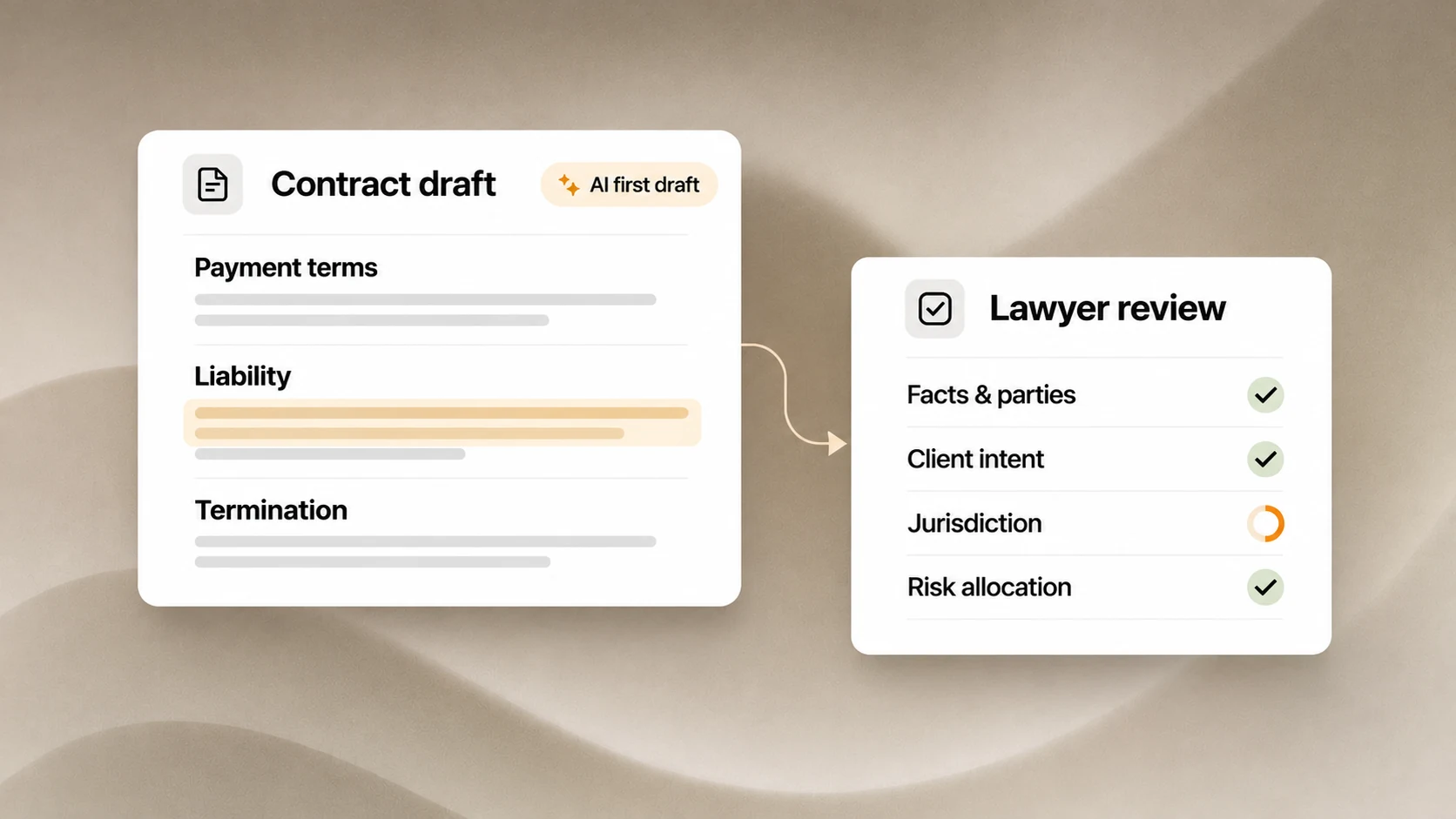
- How Reliable Is AI for Creating Legal Contracts? What Lawyers Should Actually Trust It to DoHow reliable is AI for creating legal contracts? Reliable as a drafting starting point, not a final answer. Learn where AI helps, where lawyers must review, and how to use it safely.
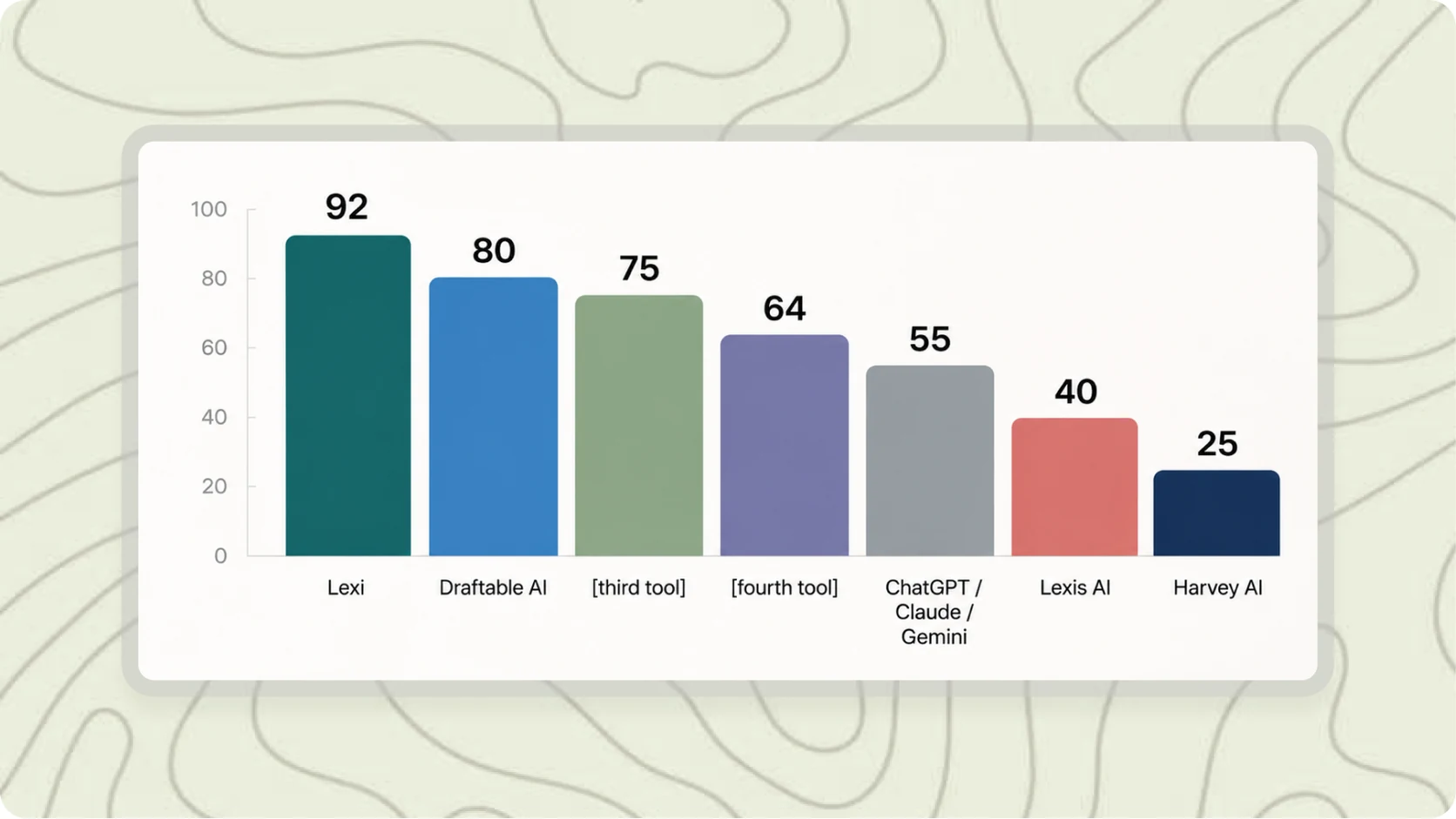
- Best AI for Legal Drafting in 2026Best AI for legal drafting in 2026: a practical comparison of leading tools, what each does well, and which teams should choose which platform.
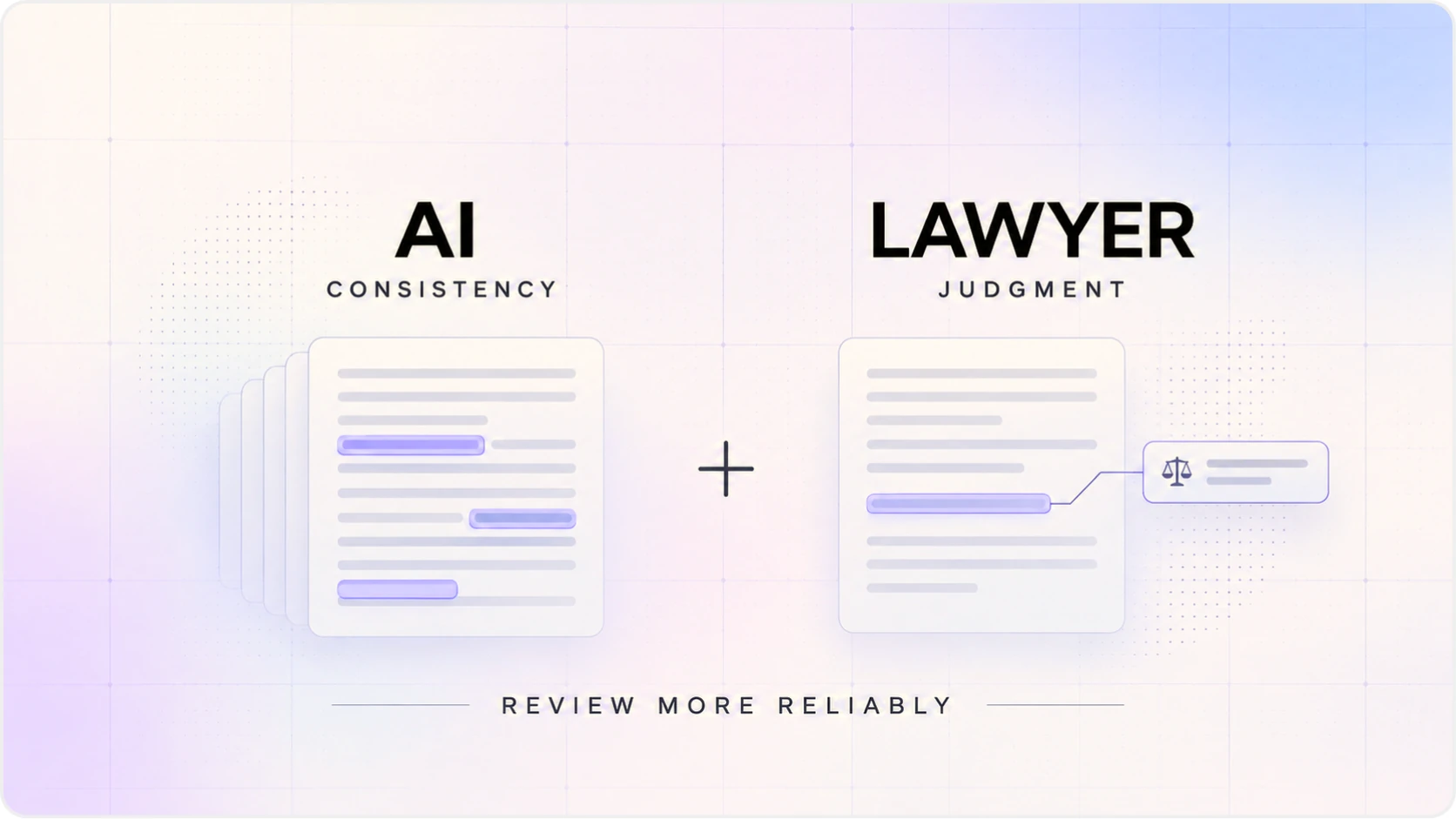
- AI vs Human Attention in Legal Document Review: Where Lawyers Miss Risk and How to Review More ReliablyAI vs human attention in legal document review: why focus drops in long contracts, what lawyers miss, and how to build a safer review workflow.
- Turning Every Return to a Case Into a Running Start“Our matters do not move in a straight line. A case can go quiet for months and then come back overnight, and every time it did, whoever picked it up had to start over, reading thousands of pages just to remember where we stood. With Lexi, the matter lives as a project. Everything is exactly where it was left, and whoever opens the file is back into the case in minutes, not days.” Kajal Dalal, Kajal Dalal Chambers
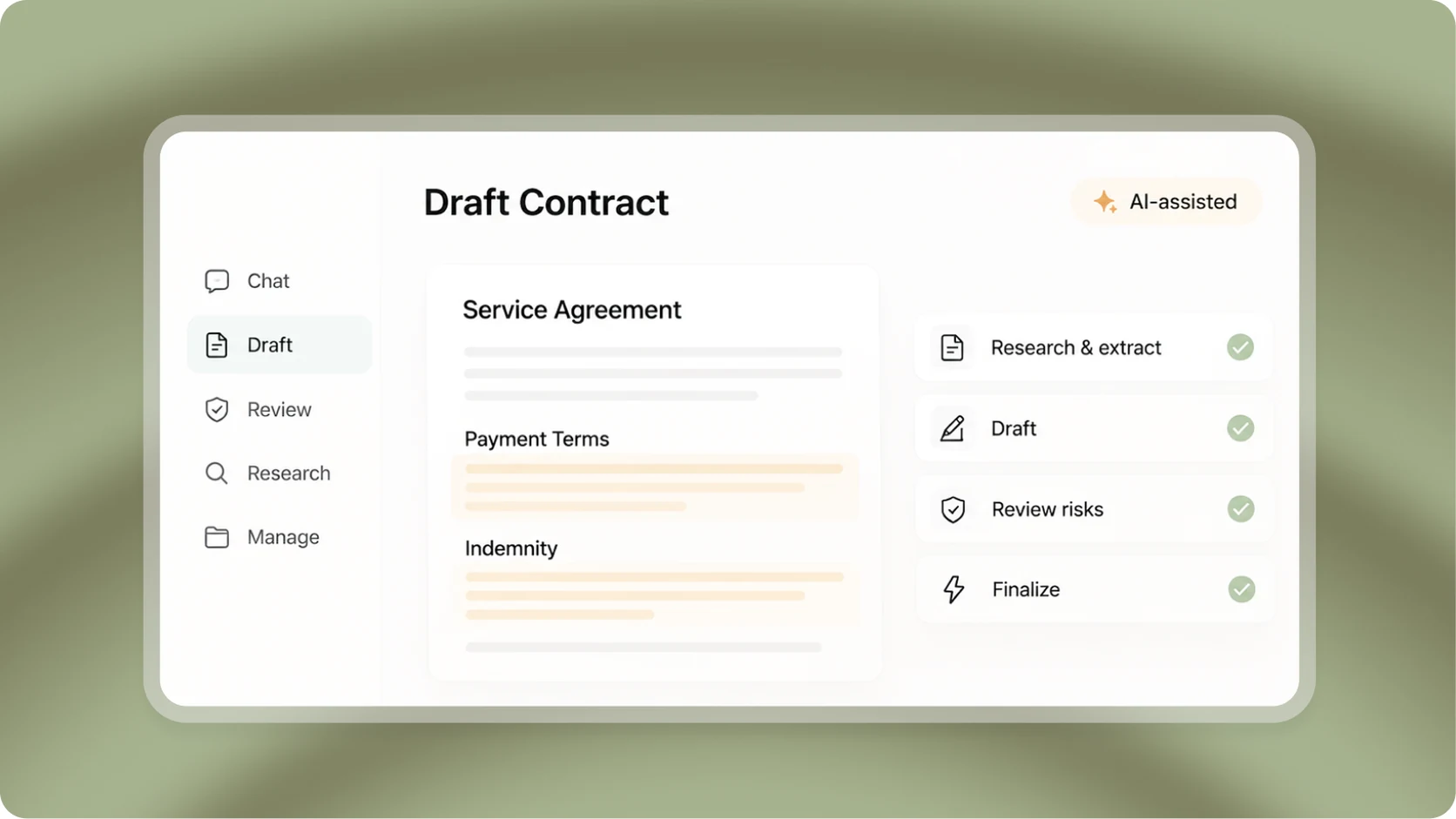
- How Lawyers Use AI in Practice: Safe, Real-World Workflows That Save TimeHow lawyers use AI in practice: drafting, contract review, research, translation, and file organization—safely, with verification and lawyer oversight.
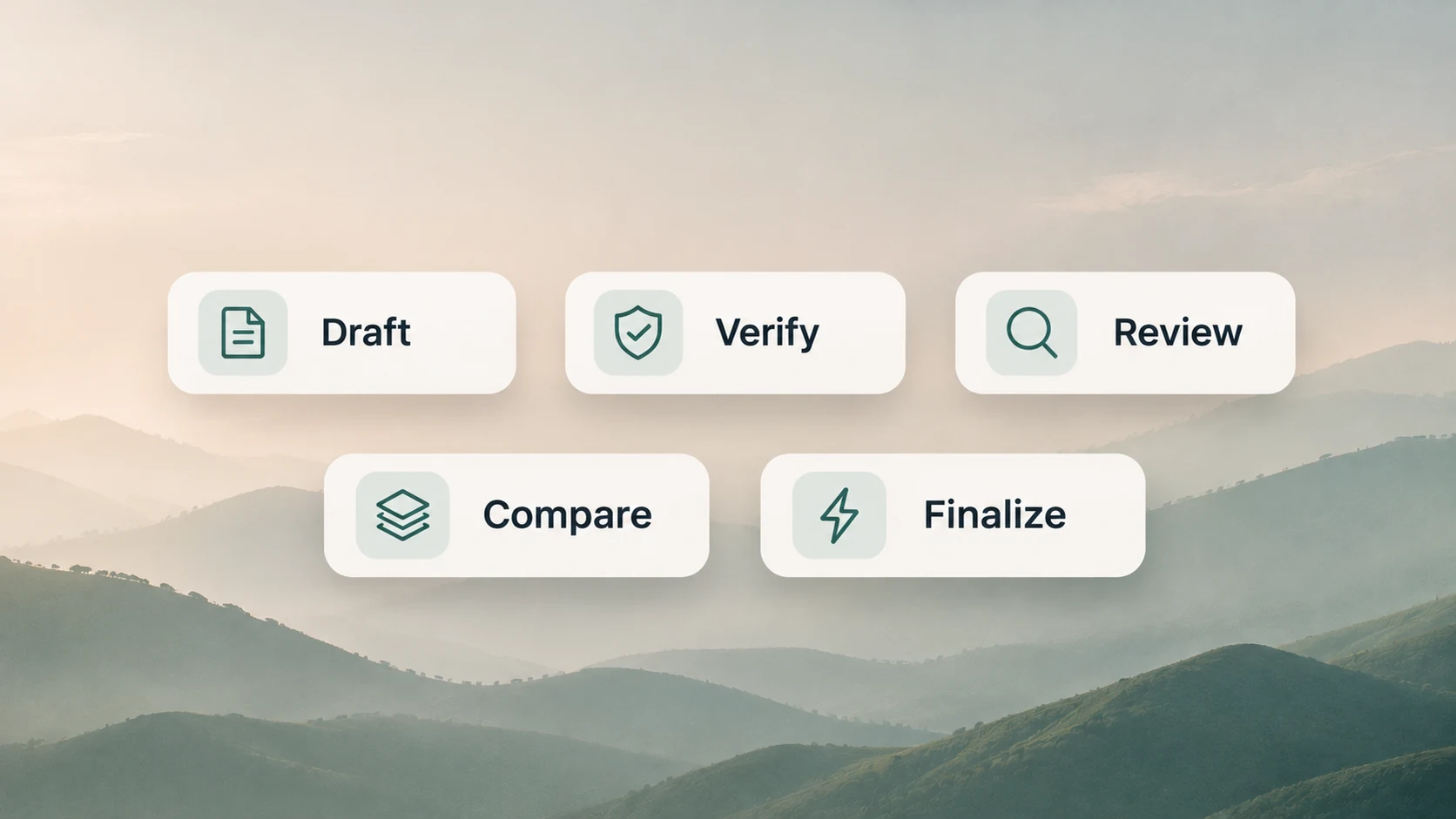
- Is AI-Generated Legal Work Reliable? What Lawyers Need to KnowIs AI generated legal work reliable? Yes—when lawyers use legal-specific workflows, verify sources, and review the final output before relying on it.
- How Accurate Is AI Legal Document Review?How accurate is AI legal document review? It is highly effective for first-pass issue spotting and clause extraction, but lawyers still need to verify context, risk, and strategy.
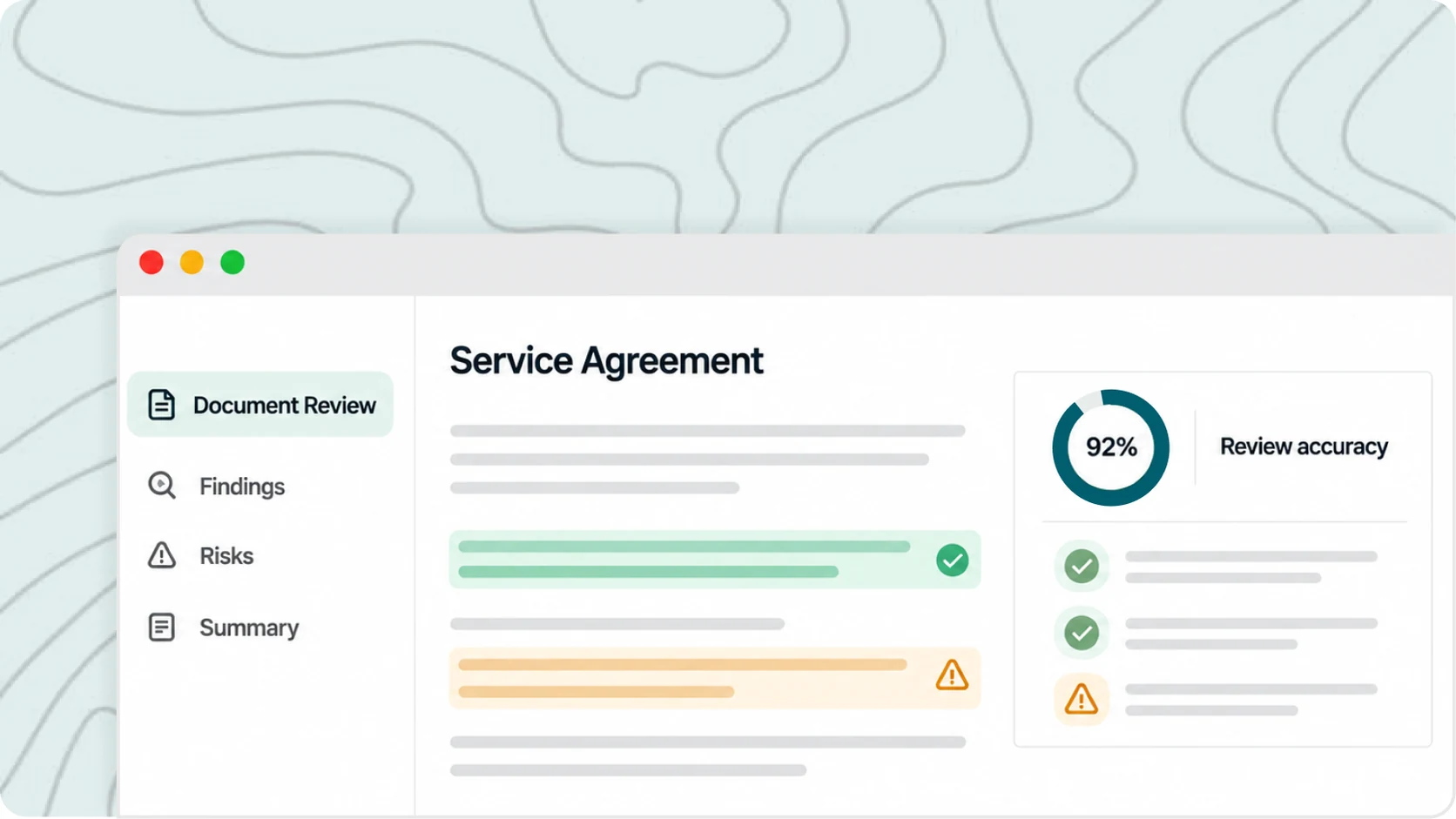
- The Template Trap: Risks of Copy-Pasting Contract Clauses and How to Reduce ThemUnderstand the risks of copy-pasting contract clauses, including mismatched definitions, inherited liability terms, and boilerplate errors lawyers should review.
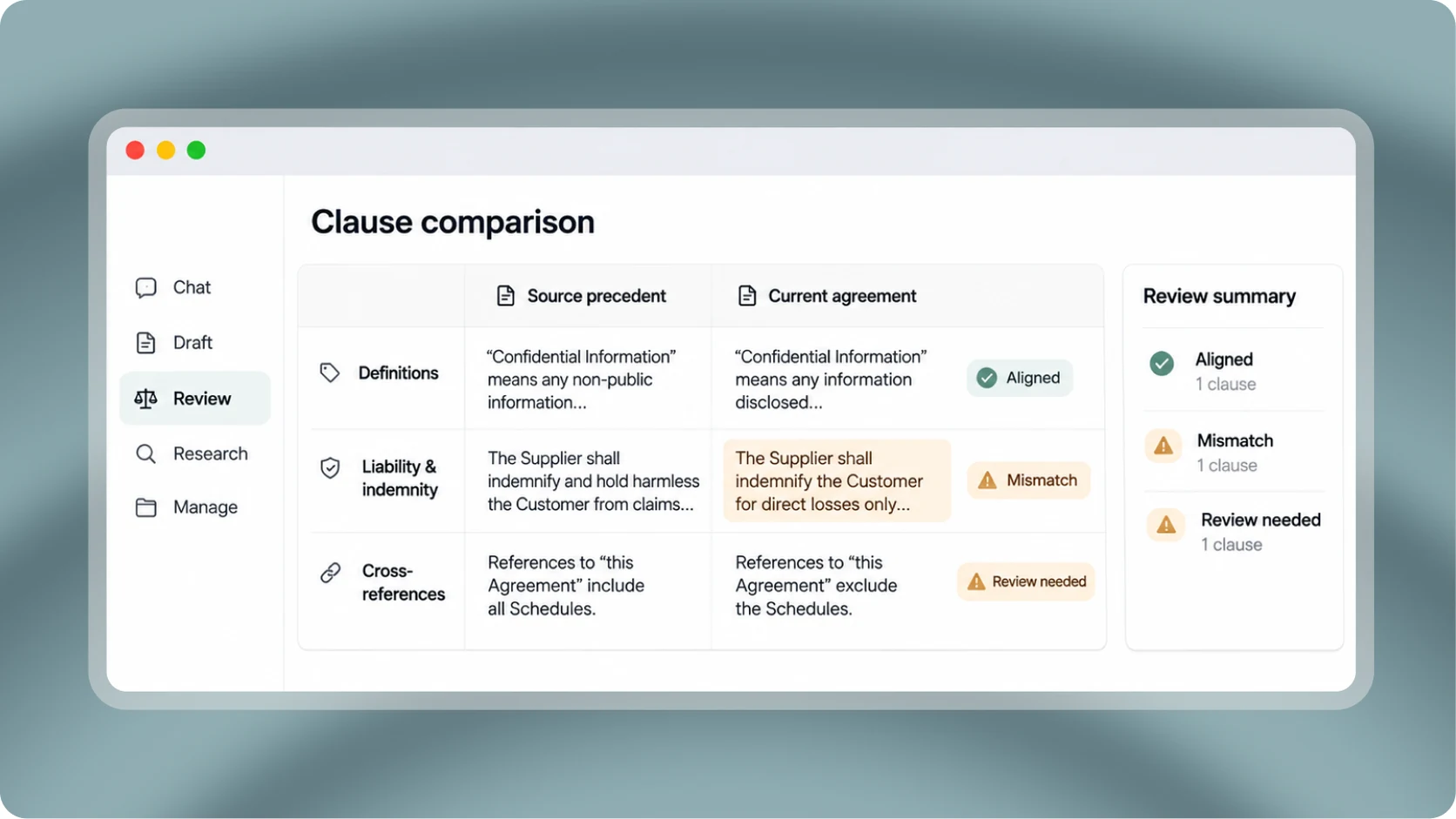
- How Lawyers Can Use AI to Summarize Legal Documents SafelyLearn how to use ai to summarize legal documents safely, with source checks, structured outputs, and lawyer review for contracts, pleadings, judgments, and files.
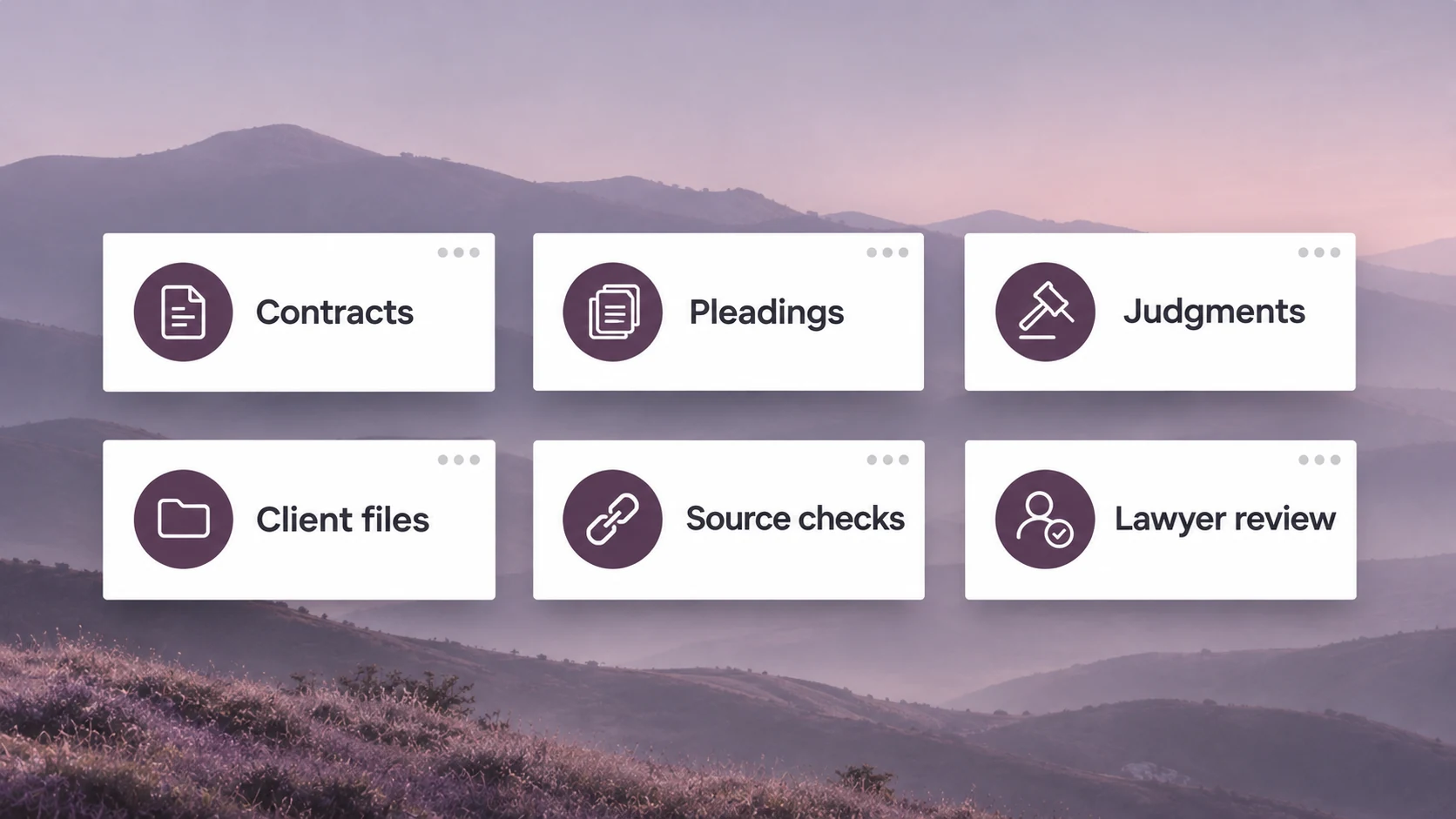
- How Is AI Changing the Legal Profession?How is AI changing the legal profession? It is speeding up drafting, research, review, and case organization while making lawyer oversight more important.
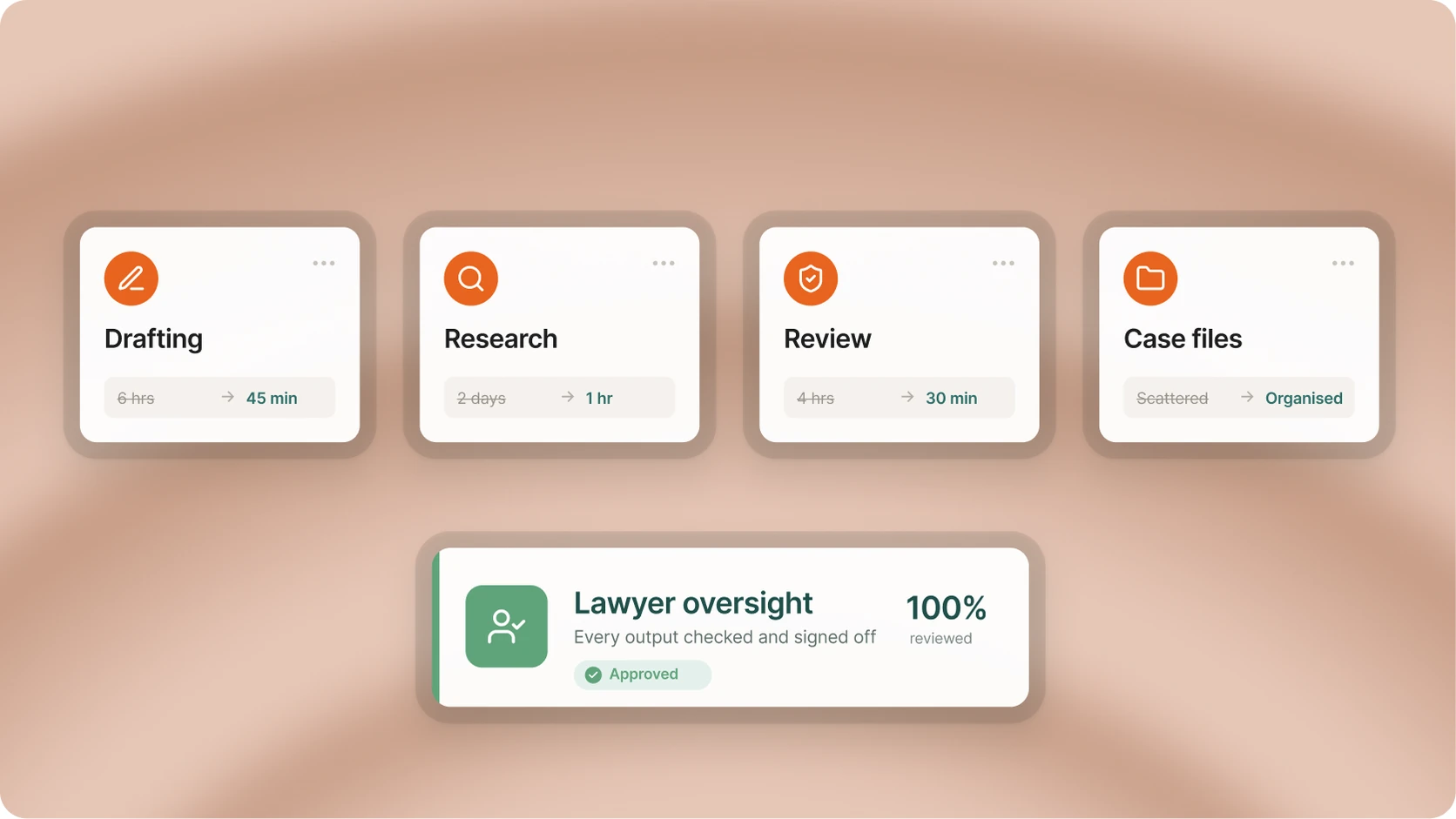
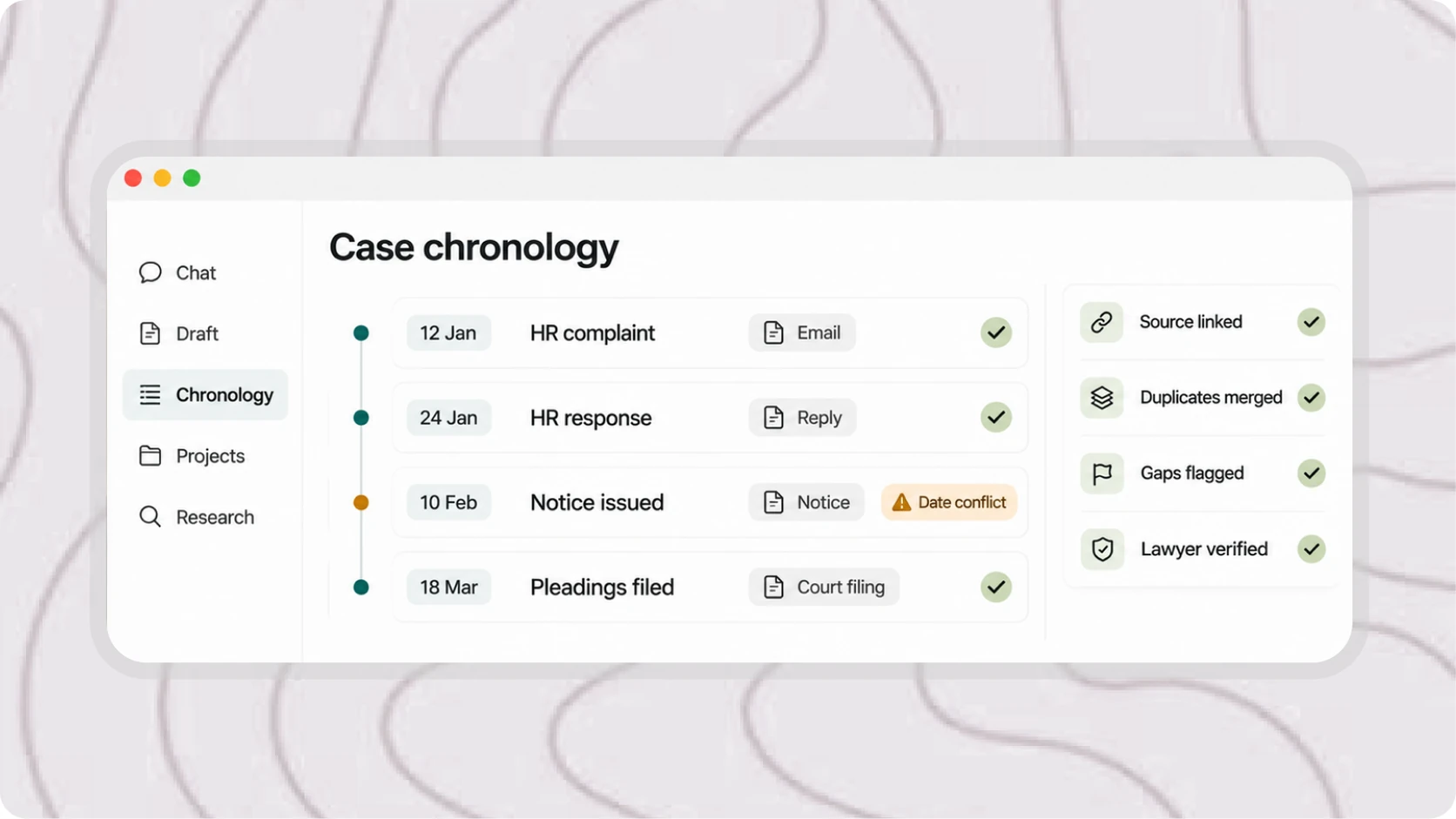
- How to Create an AI Legal Case Timeline: A Lawyer’s WorkflowLearn how to build an ai legal case timeline from emails, pleadings, orders, and correspondence—faster, source-linked, and lawyer-reviewed.
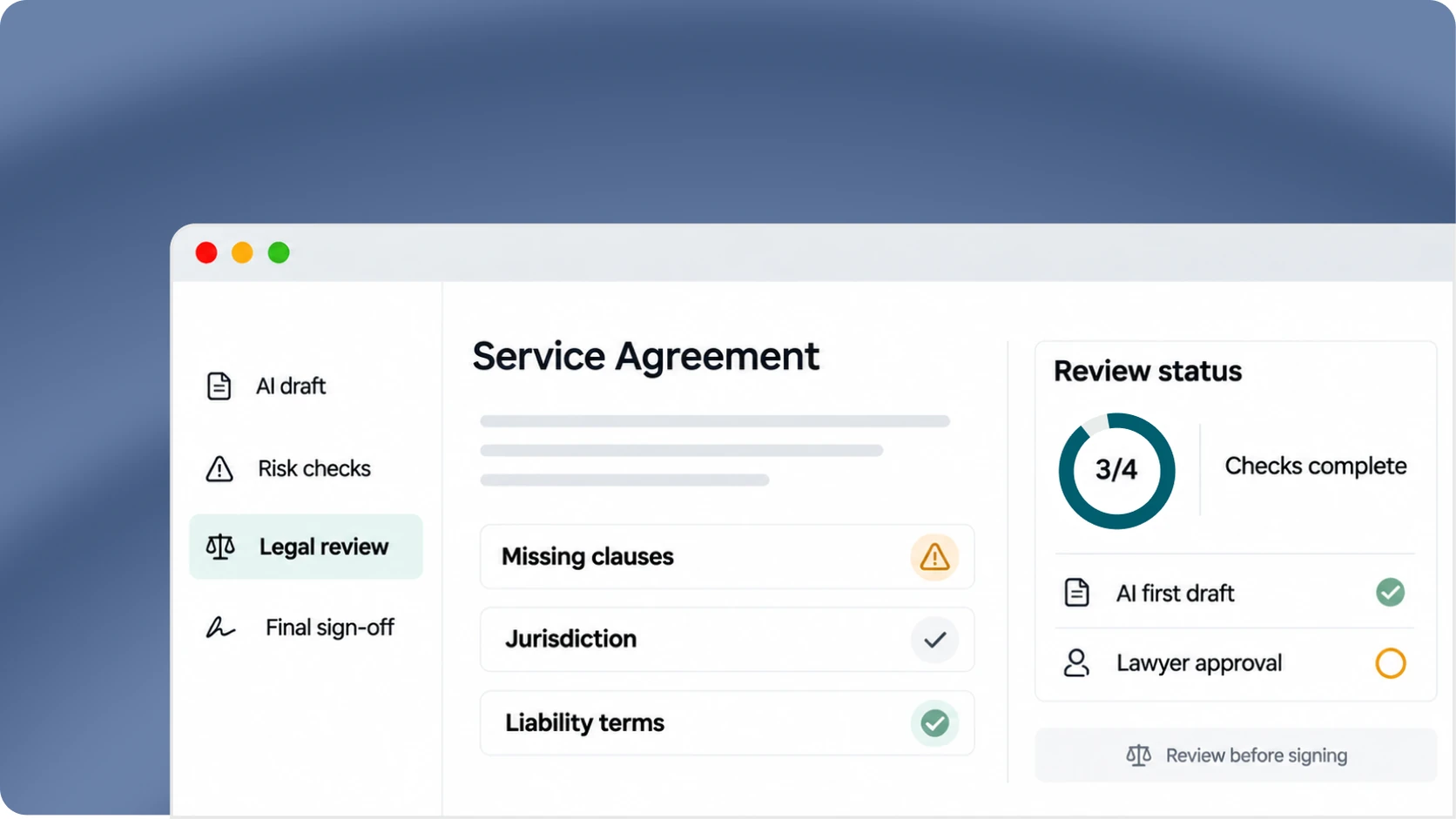
- Is It Safe to Use AI for Legal Documents Without Lawyer Review?AI legal documents without lawyer review can save time, but they are not reliably safe for important matters because missing clauses and legal nuance create real risk.
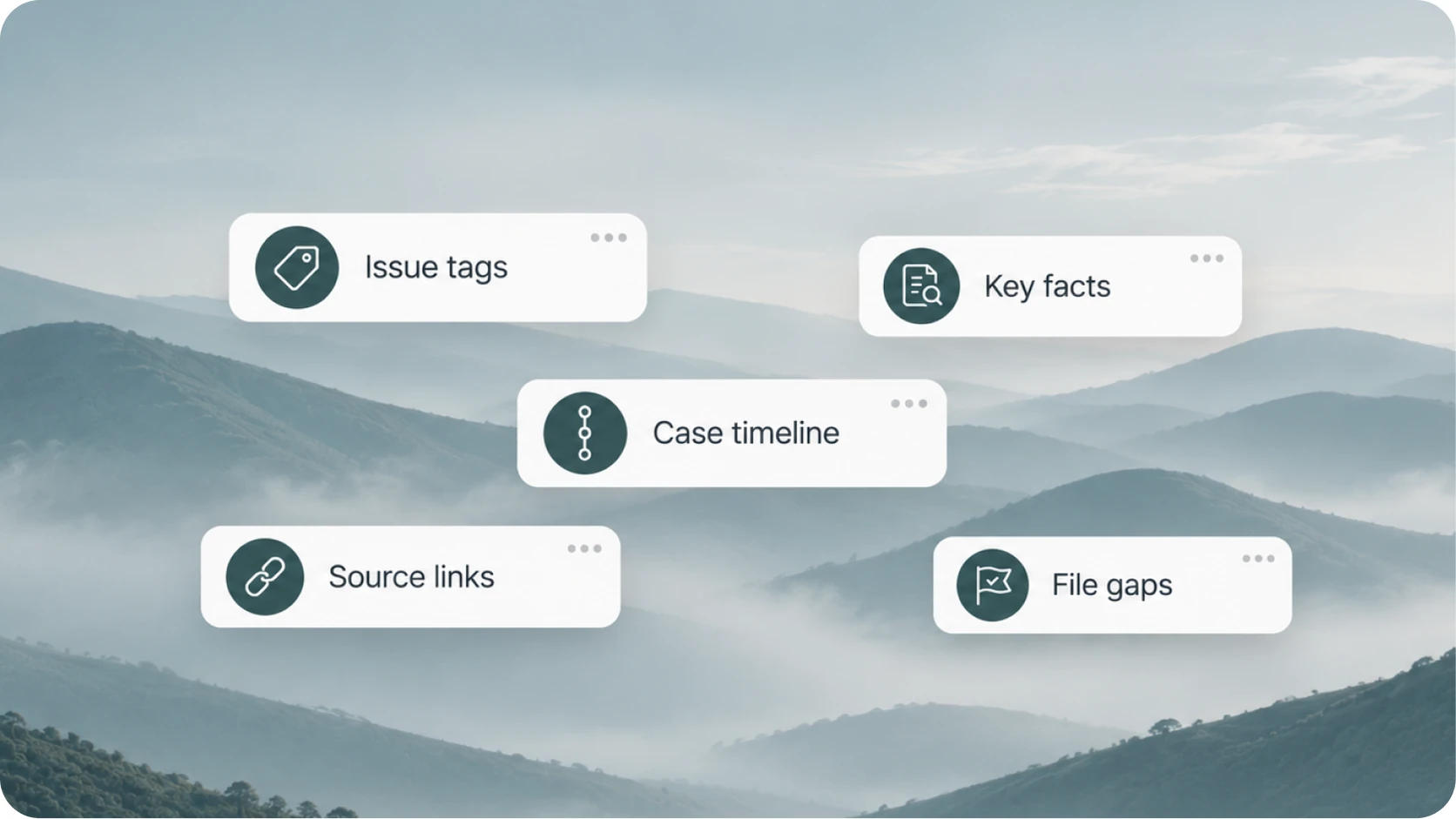
- How AI Helps Lawyers Organize Case FilesLearn how ai to organize case files helps lawyers tag documents, build timelines, find facts faster, and keep matter files searchable and review-ready.
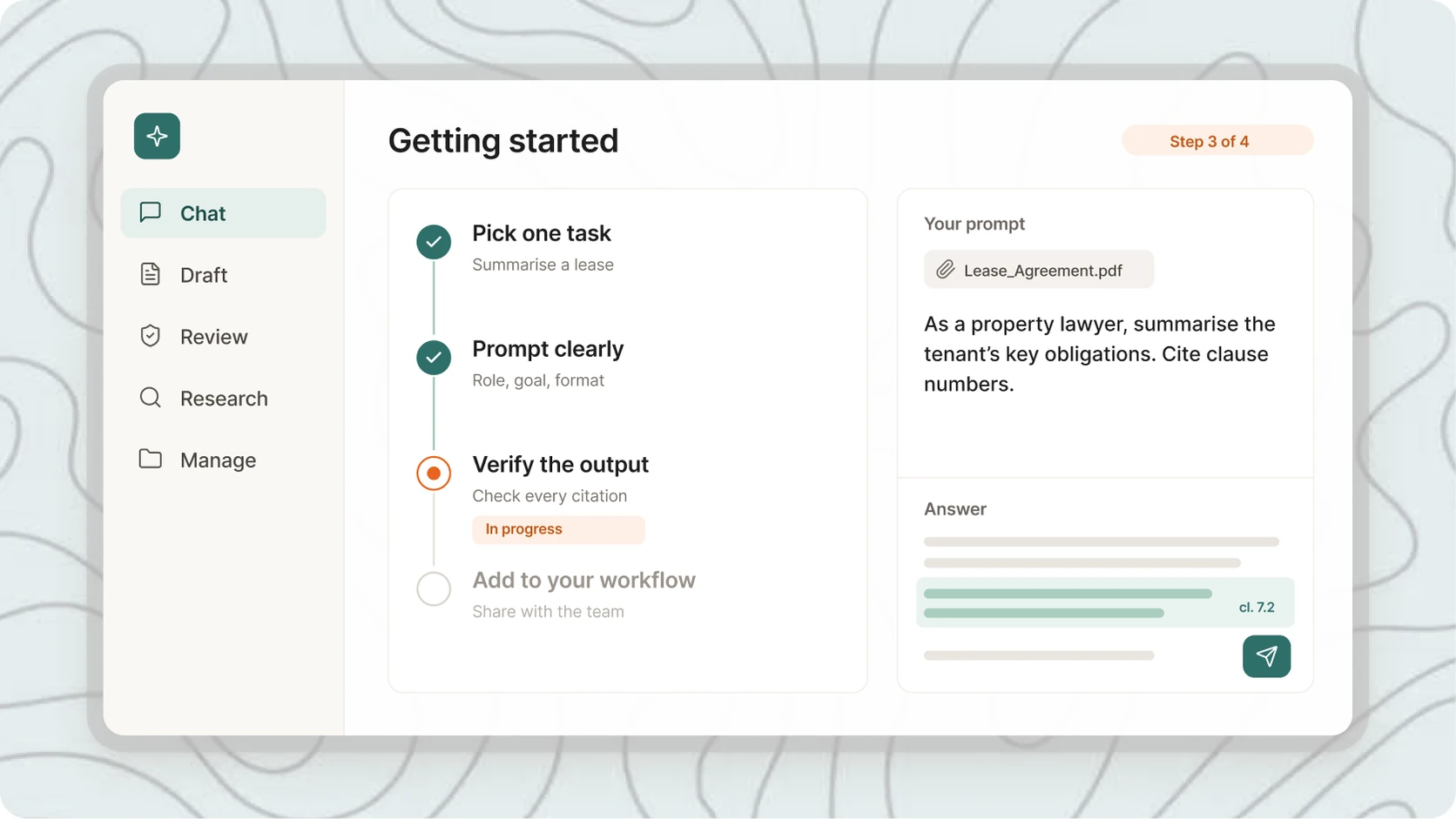
- How to Get Started With Legal AILearn how to get started with legal AI the right way: begin with one task, prompt clearly, verify outputs, and add AI to your legal workflow safely.
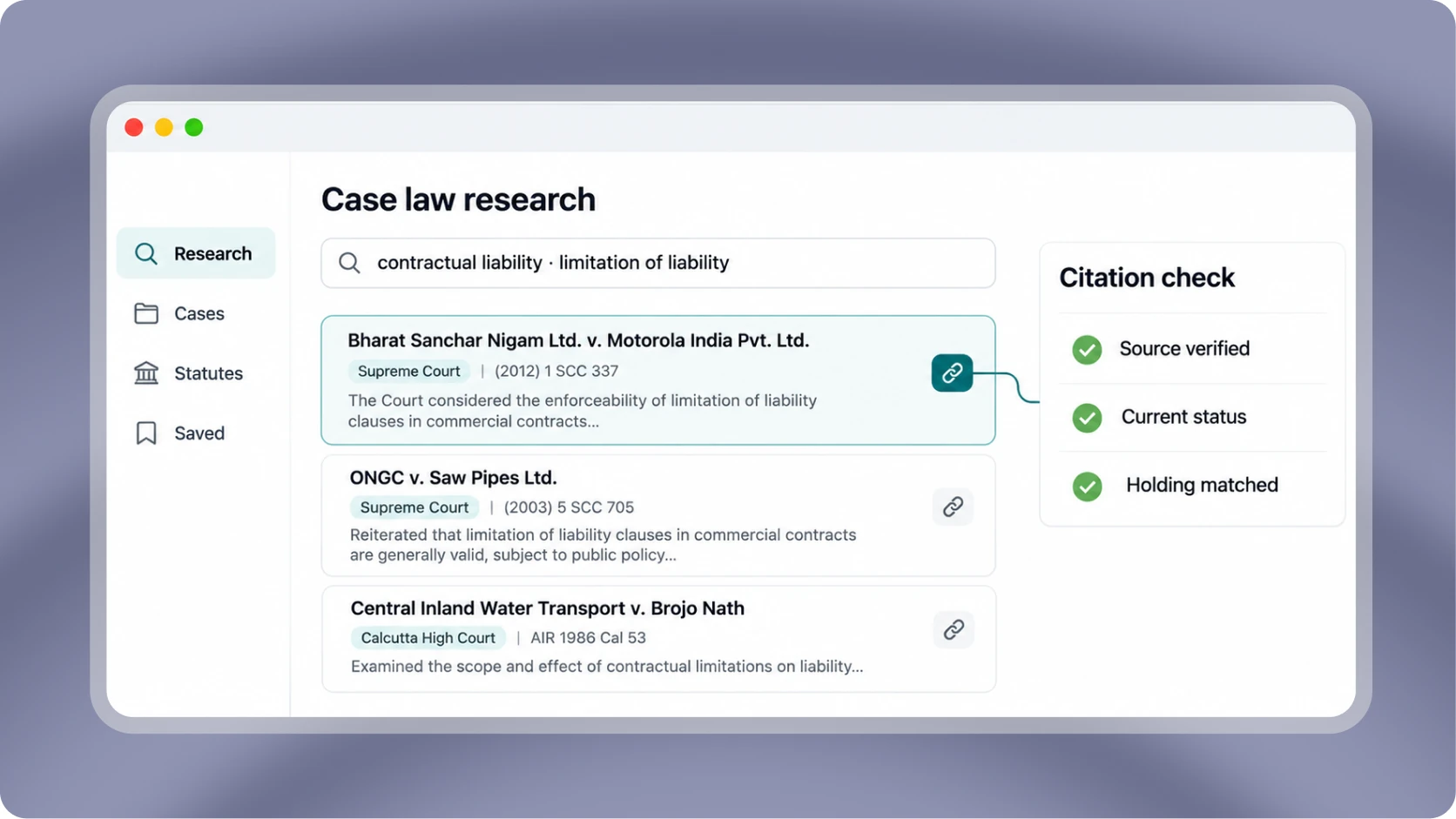
- AI for Legal Research: How Lawyers Find Case Law Faster Without Risking Bad CitationsAI for legal research helps lawyers find relevant case law faster, but only when every authority is source-backed, current, and verified before use.
- Is AI Legal Advice Safe in India? What Lawyers and Clients Should KnowIs AI legal advice safe in India? It can help with legal information and drafting, but relying on it without lawyer review creates serious risk.

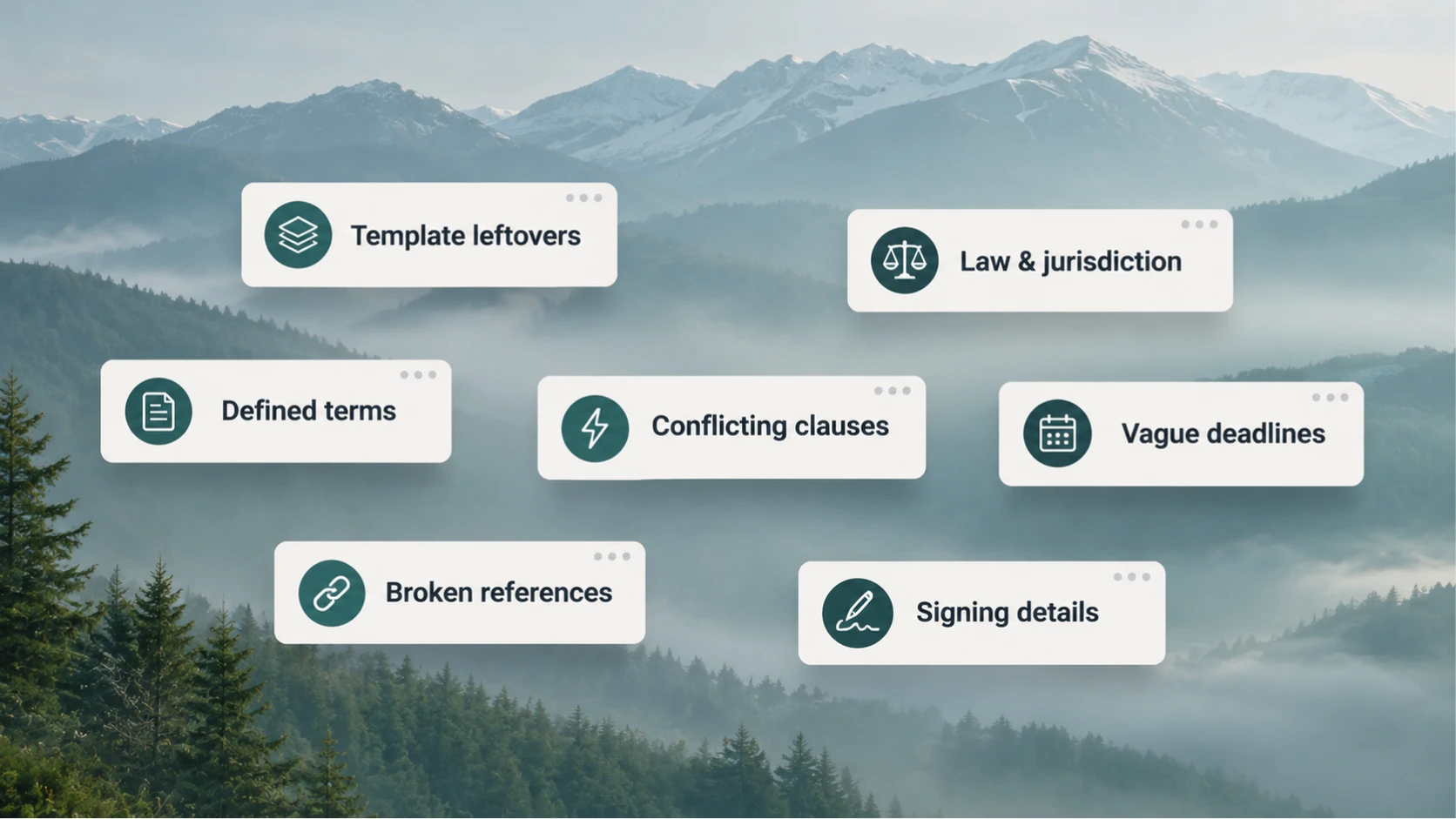
- 7 Drafting Mistakes AI Can Catch Before a Contract Goes OutDrafting mistakes AI can catch include template leftovers, broken cross-references, inconsistent terms, and timeline conflicts—when lawyers use it as a second reviewer.
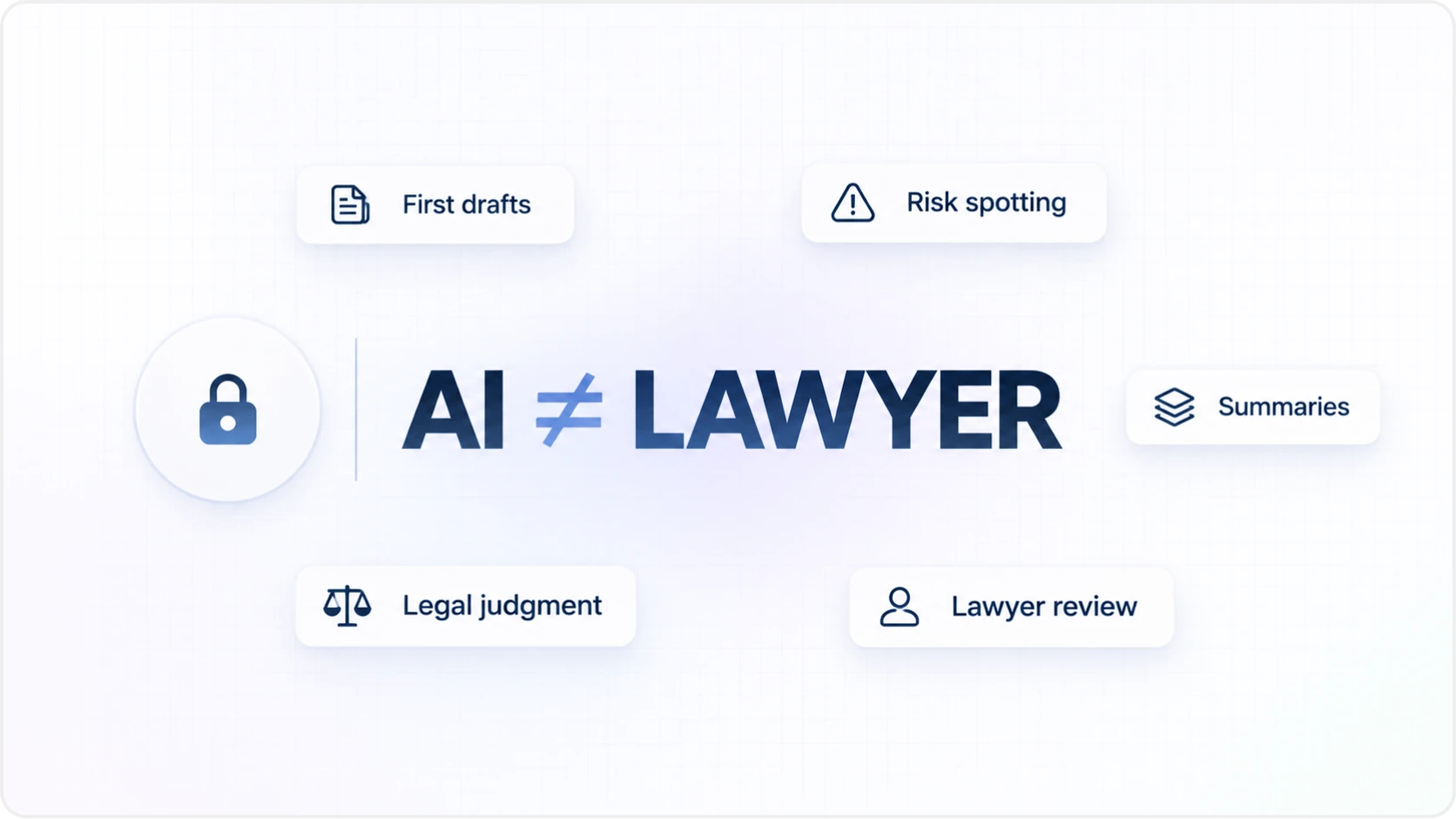
- Can AI Replace a Lawyer for Legal Documents? A Practical Case-Study ViewCan AI replace a lawyer for legal documents? For low-risk drafting and first-pass review, sometimes yes—but high-stakes documents still need lawyer judgment.
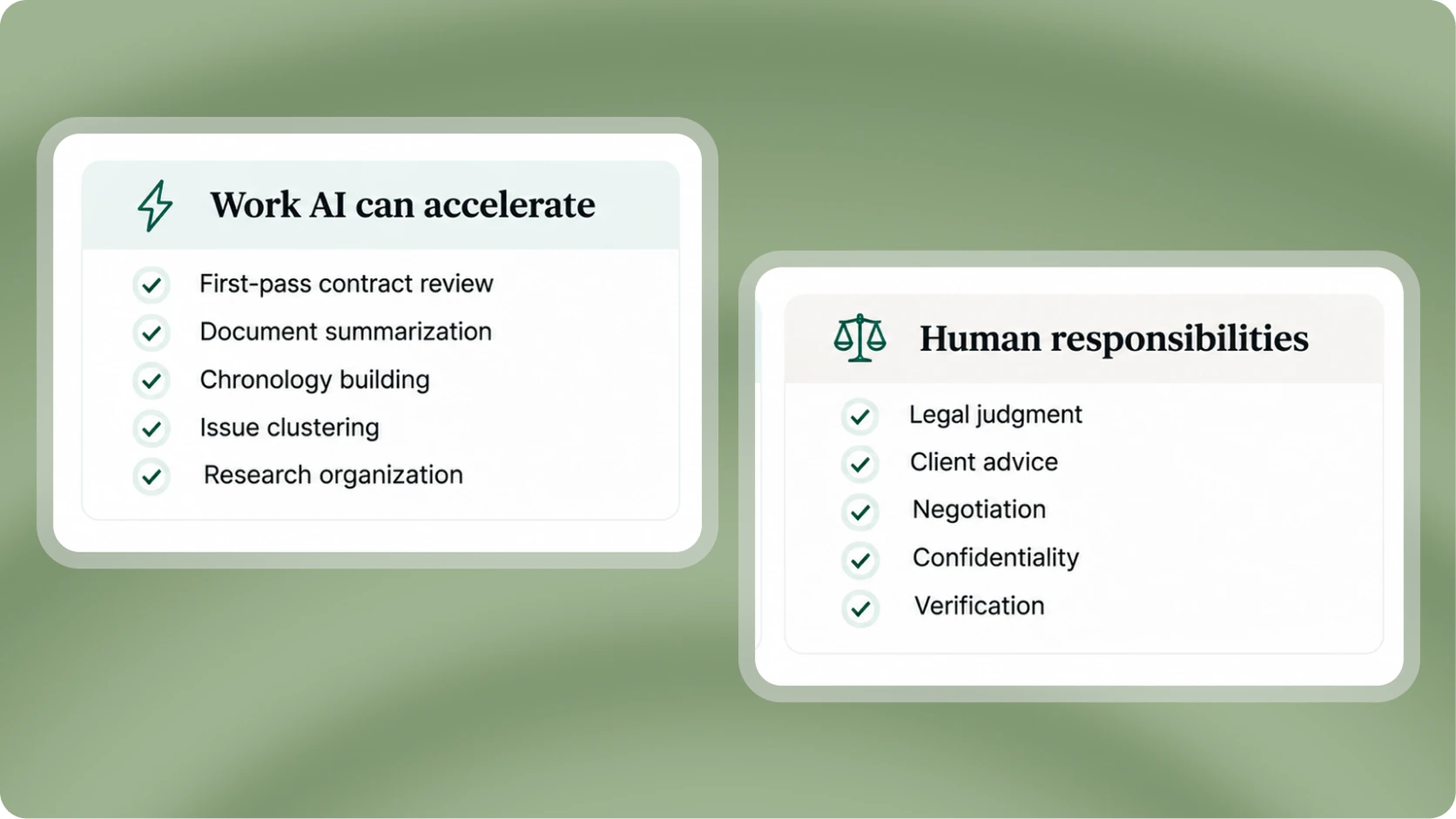
- Will Legal Tech Replace Law Firm Jobs? What AI Is Actually ChangingLegal tech jobs vs law firm jobs is not a zero-sum fight. See how AI is changing legal roles, training, and hiring without replacing lawyers.
- Mechanical Licensing in India: Statutory Promise or Practical Illusion?While Section 31C of the Copyright Act aims to democratize music through statutory licensing, it remains a "practical illusion." Complex procedural mandates, judicial inconsistencies, and fragmented rights management create significant barriers. Consequently, a framework intended to facilitate creative reuse often functions as a restrictive, theoretical regime rather than a functional reality.

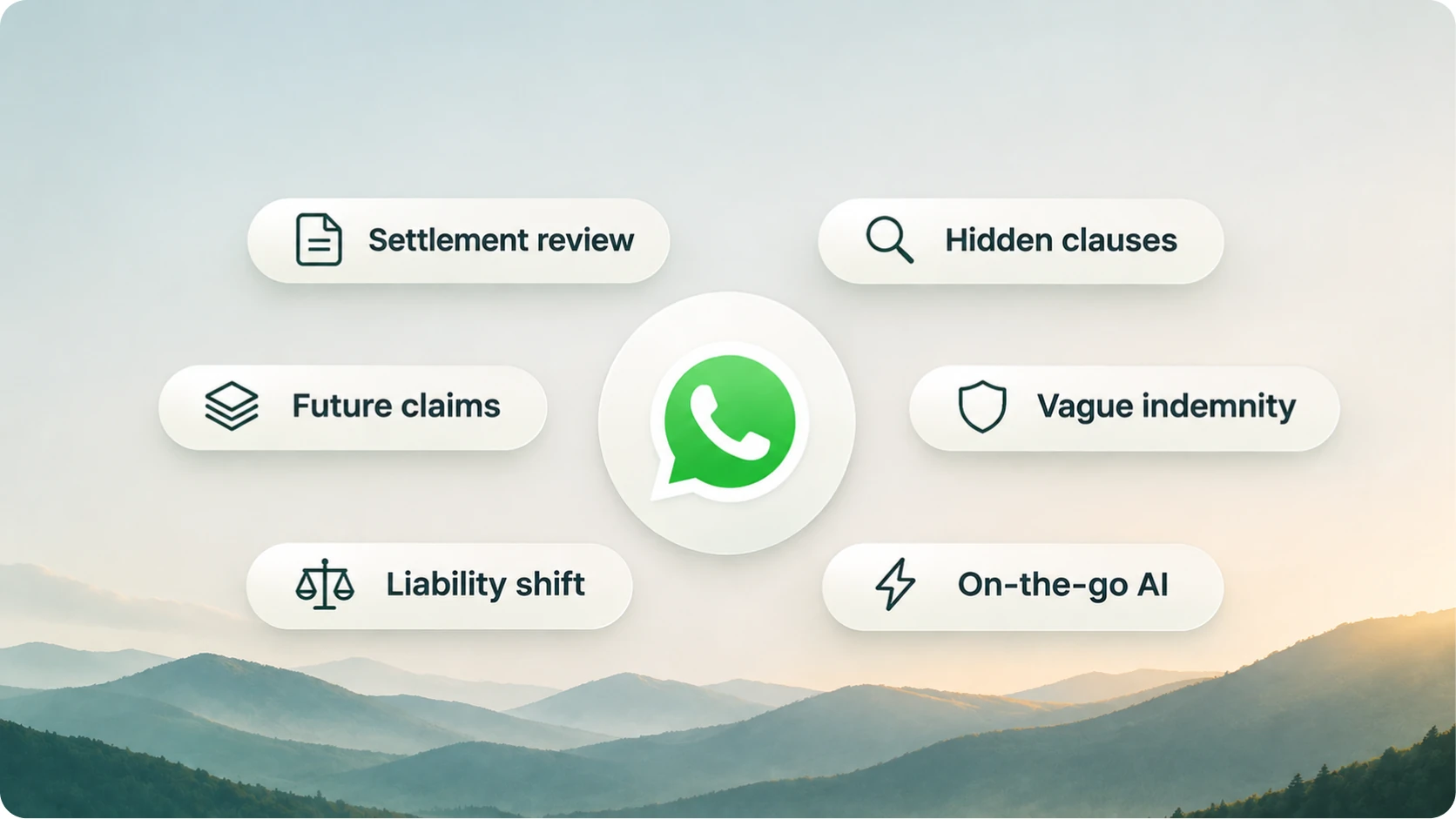
- How One Message on WhatsApp Saved a Lawyer from a Post-Victory Trap — Using LexiLexi’s launch on WhatsApp and Telegram provides "always-on" legal intelligence for highly mobile practitioners. By instantly analyzing complex documents on-the-go, it eliminates the "post-win trap" of predatory corporate clauses. This shift from desktop tools to ambient messaging layers ensures lawyers maintain a decision advantage and secure victories anytime, anywhere.
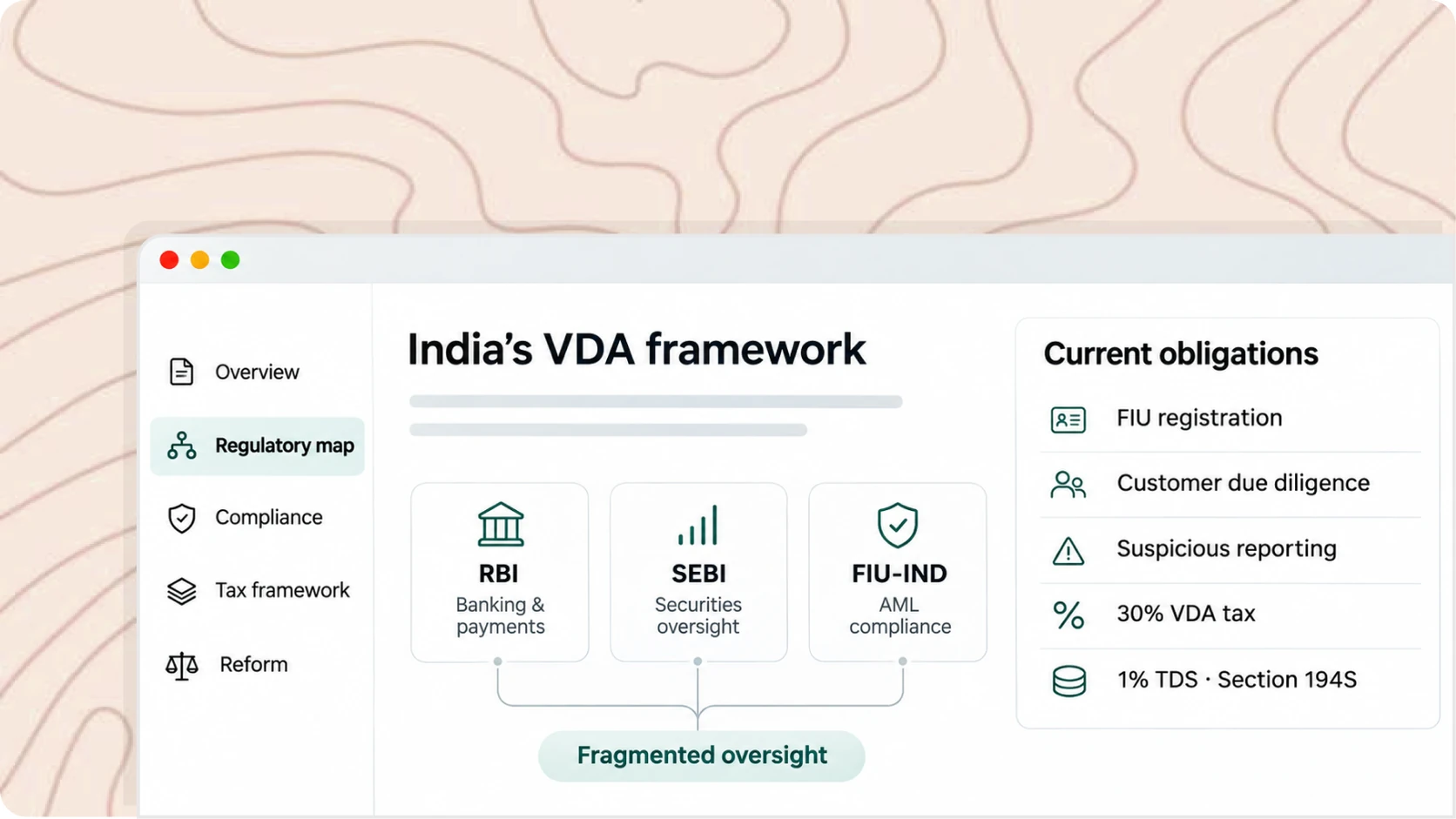
- Regulatory Paralysis or Deliberate Deterrence? Reassessing India’s Fragmented Cryptocurrency Governance FrameworkIndia’s cryptocurrency governance is a fragmented system of "deliberate deterrence" rather than cohesive policy. By leveraging tax penalties and AML mandates without formal legal definitions, the state stifles domestic innovation and drives capital offshore. Comprehensive reform—including statutory classification and rationalized taxation—is essential to transition from paralysis to global leadership.
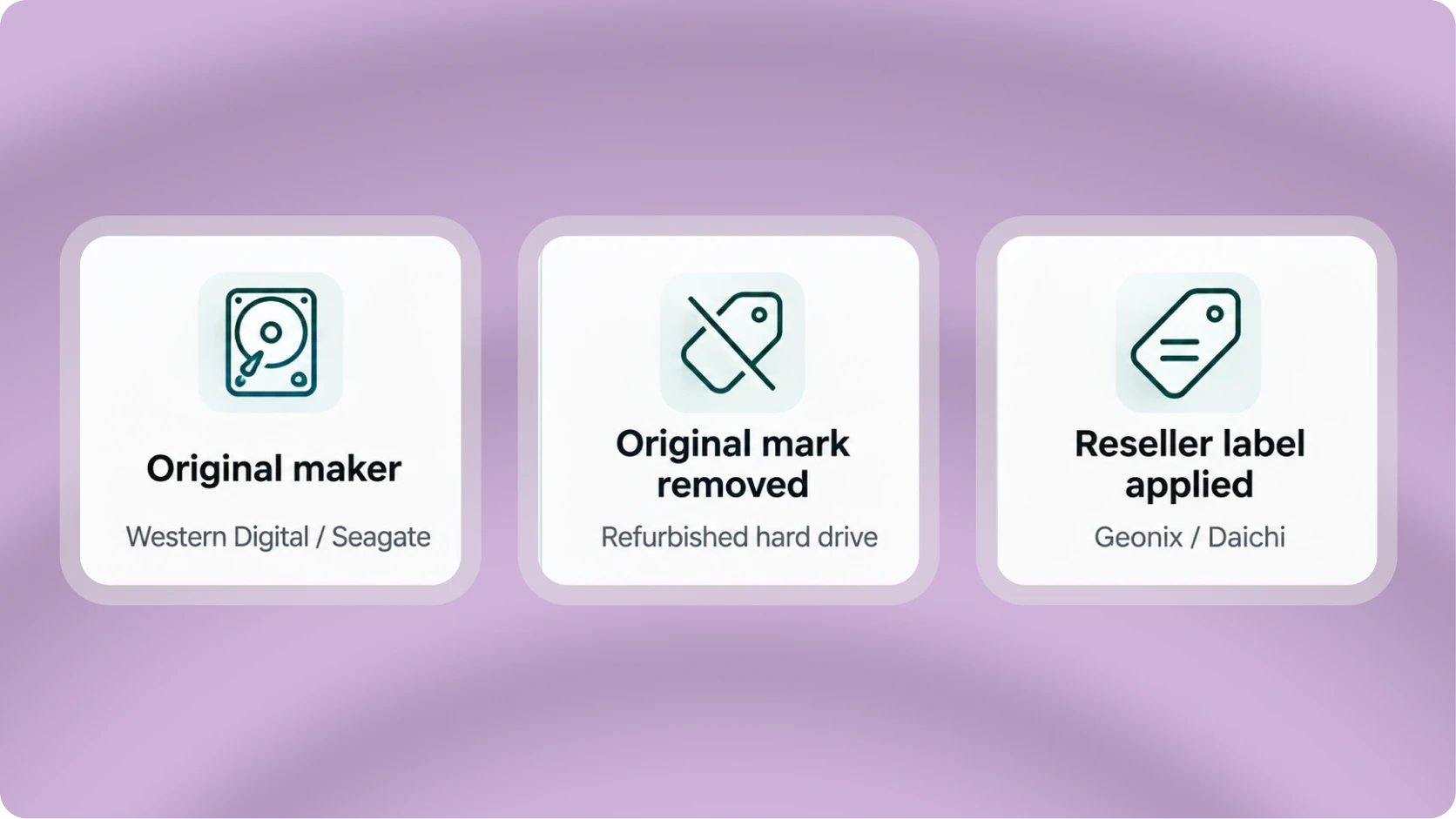
- Reverse Passing Off: The Last Sticker Principle“We all steal from each other. Whether it be time, words, money or love. You can’t measure a person by what they take, but you can measure a person by who they give credit to — Sarah Weaver”
- The Impact of the DPDP Act on Artificial Intelligence in IndiaIndia's DPDP Act profoundly reshapes artificial intelligence by mandating explicit consent and prioritizing data governance over data hoarding. While enforcing strict accountability and precision in automated decisions, the legislation leaves distinct regulatory gaps concerning algorithmic bias. Ultimately, this act serves as a crucial driver to establish sustainable artificial intelligence innovations
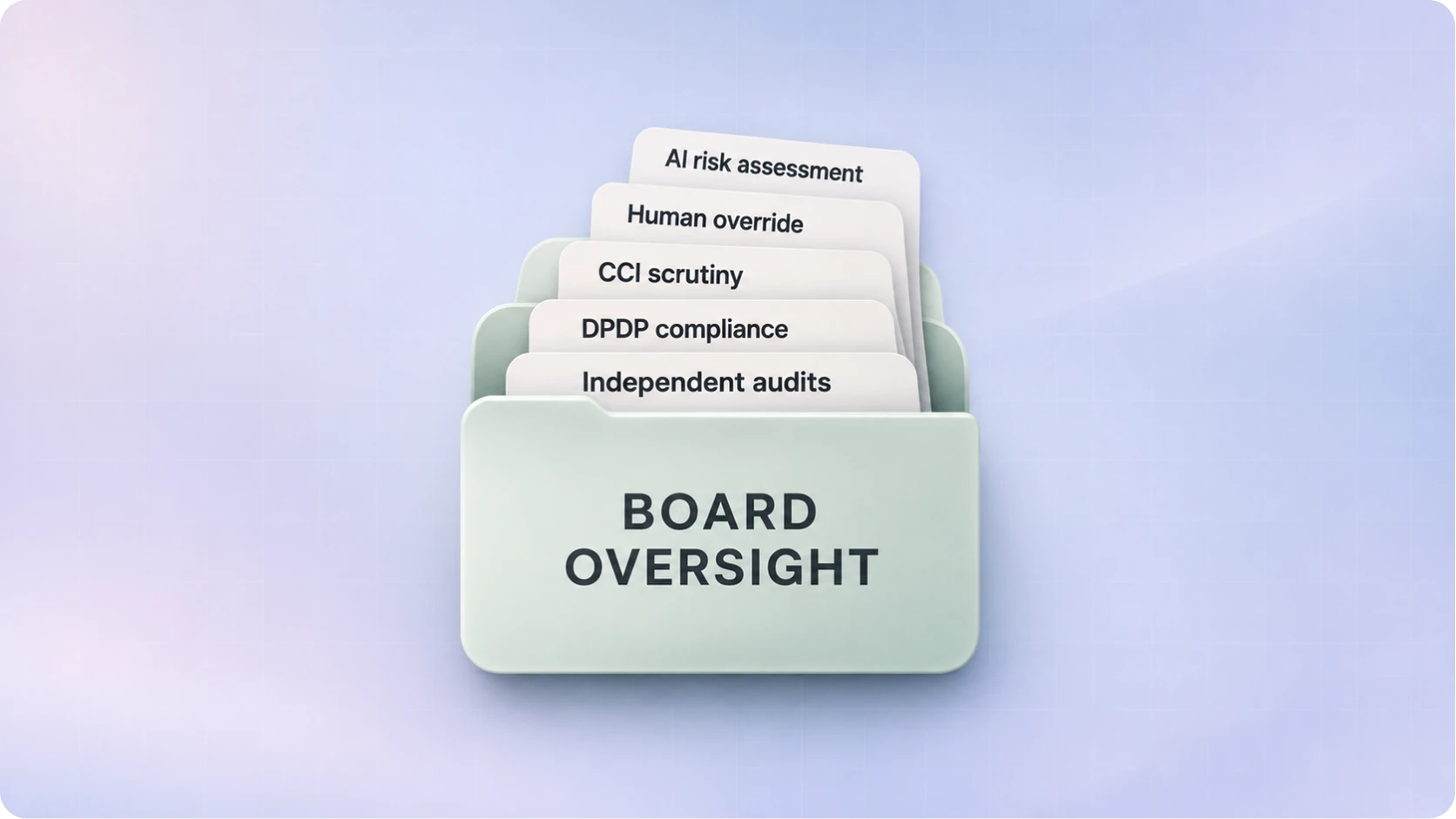
- AI on Corporate Boards: Liability Traps under the 2025 AI Bill, Companies Act, and CCI ScrutinyIndian companies are implementing AI to do analytics and compliance and MCA21 V3 reflects adoption of governance. Nevertheless, AI Bill 2025, the Companies Act responsibilities, the risk of collusion by CCI, duties under the DPDP, and labour or tax legislation led to liability exposure. Risk based controls, human over-rides and third-party audits should be employed by boards. Directors can have their fines, fraud claims, and vicarious liability minimized via safe-harbour reforms.
- Rethinking Copyright Protection for AI-Generated Works in IndiaThis blog examines the recent important question, “Whether AI-produced works should attract copyright protection under Indian law”. The post further explores the current legal text, international practice, recent doctrinal developments & suggests some recommendations for lawmakers and practitioners.

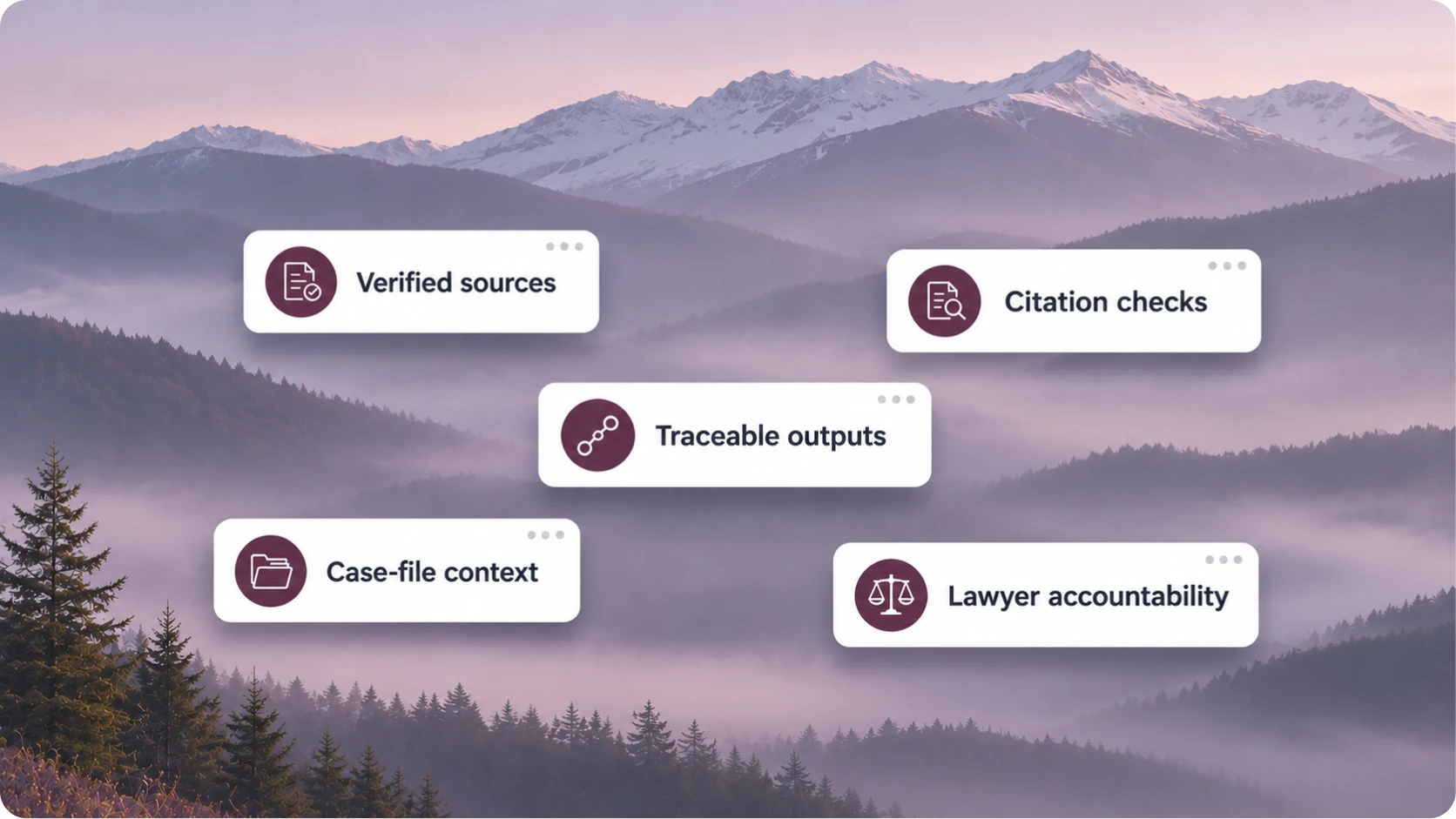
- Legal Malpractice & The "Hallucinating" Lawyer: The 2026 Shift to Provable AIBy 2026, severe judicial sanctions over AI "hallucinations" forced the legal industry to abandon traditional chatbots. Driven by strict new ethical mandates, the profession has pivoted to Provable AI—systems built on deterministic logic to guarantee absolute factual accuracy. Leading platforms like Lexi now use total case-file awareness to autonomously generate verifiable, hallucination-free legal documents, allowing firms to safely harness automation without risking professional ruin.
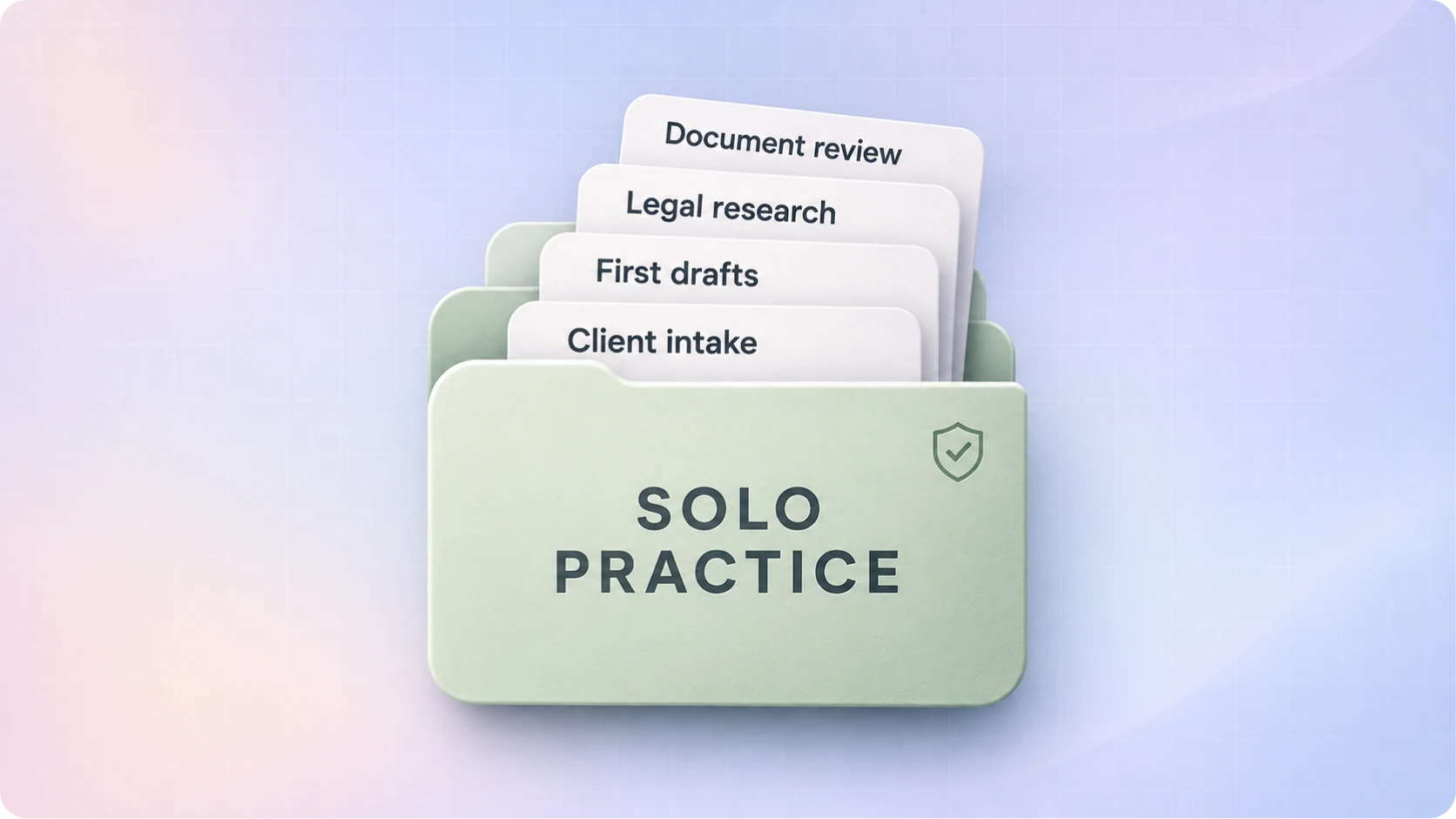
- The Solo Lawyer's Guide to AI in 2026: Do More Work Without Hiring71% of solo law firms now use AI. This practical guide covers what AI can realistically do for a solo practice, what to watch out for, and how to get started — from a founder who built AI for lawyers.
- How a Solo Lawyer Took on a Global Giant (ACCOR HOTELS)— and Won, Using LexiMost people assume that taking on a large corporation requires massive legal teams, endless hours of research, and deep pockets. That assumption is no longer true. A recent consumer dispute tells a different story.
- Turning Backlog Into Bandwidth: How Bansal and Partners Reached 45% More Caseload With Lexi“A single Friday brought us fifteen new matters, nine of them due in court by Monday. A year ago we would have taken three of the nine, because one draft alone used to eat a full working day. With Lexi, we drafted all nine in a day.” Sahil Bansal, Partner at Bansal & Partners
- How a leading litigation firm turned a week of notice drafting into an afternoon's work“I sit on the panel for several banks and companies. The notice volumes are enormous, and every single one is on a deadline. I used to dread it. Now I hand Lexi the spreadsheet, and it drafts every notice straight from the facts in it, correctly, and ready to go in minutes.” Rishabh Gupta, Director at Gupta and Associates

- When Apple Issues Warranty but Denies AuthenticityA Consumer Commission ruling held Apple liable after issuing AppleCare+ and later labeling the same product “non-genuine” without technical proof. Lexi analyzes what this means for warranty liability and corporate accountability.

- How OSS Claims Became an AI-Native Law FirmSee how OSS Claims transformed their insurance practice with AI, achieving a 45% increase in caseload capacity in just two months. From document review bottlenecks to AI-native operations, discover how they're scaling without the overhead.
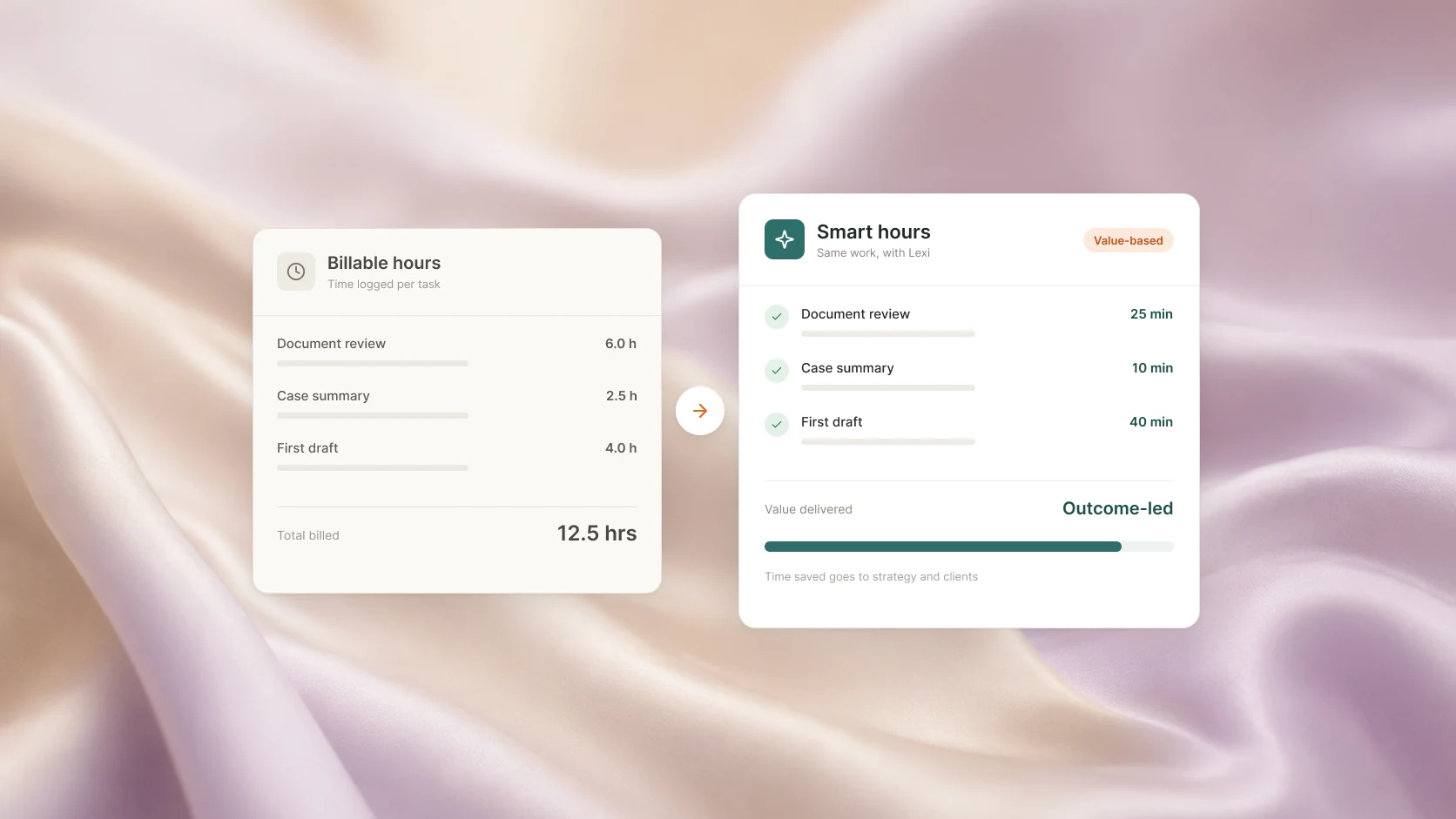
- From Billable Hours to Smart HoursFor decades, the legal profession has been measured by one metric: the billable hour. Every six-minute increment defines value, productivity, and performance. But in a world where technology can automate, summarize, and draft faster than ever before — is time still the right measure of worth? At Lexi, we believe it’s time to rethink what “productive” means in law. Because efficiency isn’t about billing more hours — it’s about doing smarter work in fewer hours.
- ChatGPT for LawyersThe legal industry has always been cautious about adopting new technology, and for good reason. When lives, livelihoods, and liability are at stake, “close enough” doesn’t cut it. Over the past year, many lawyers have experimented with ChatGPT for drafting, summarizing, or researching. It’s fast, accessible, and, at first glance, seems like a dream assistant. But under the surface lies a serious problem: ChatGPT wasn’t built for law.

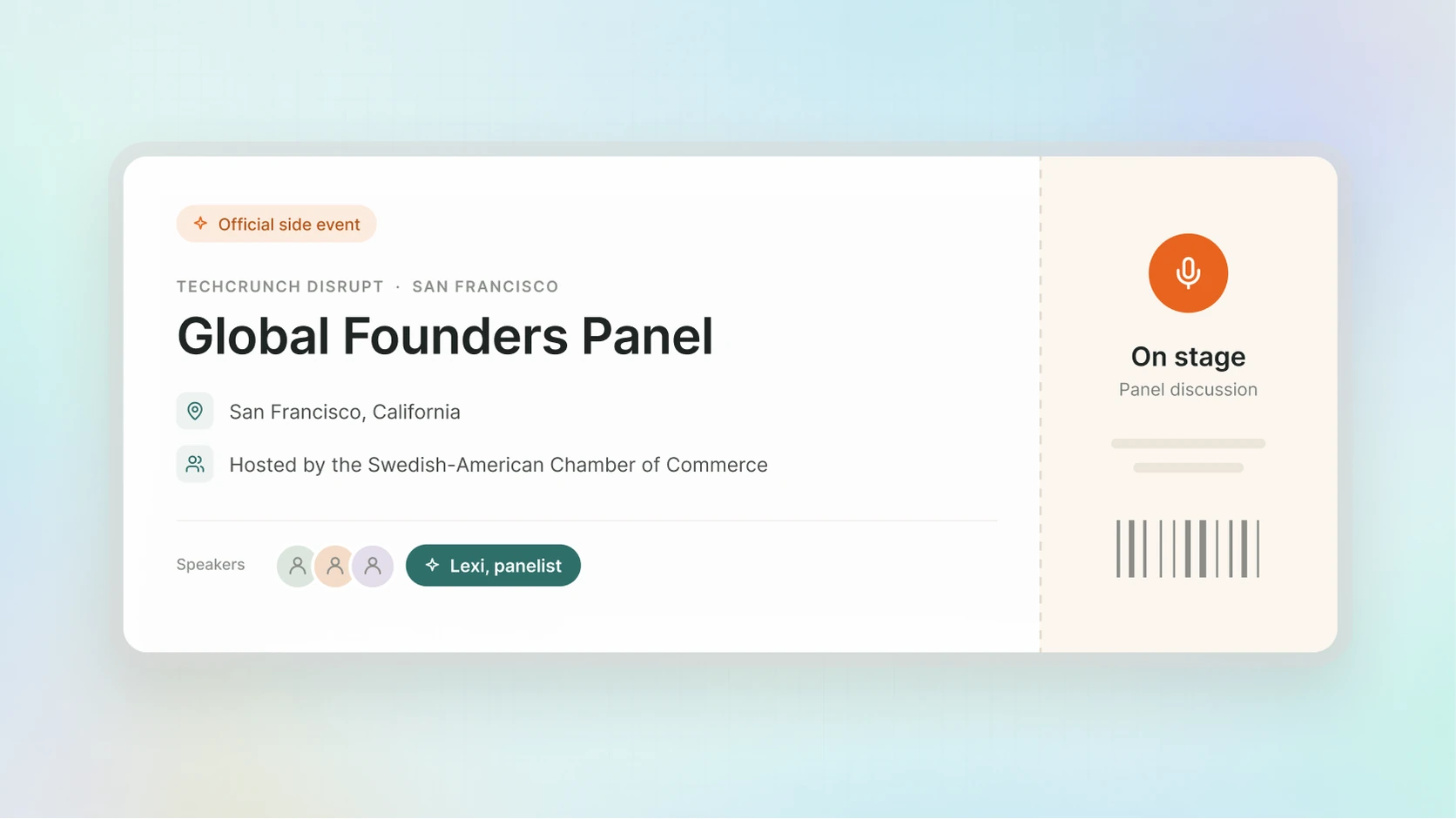
- Lexi Takes the Stage at TechCrunch Disrupt: Showcasing the Future of AI-Powered Legal WorkThis week, Lexi joined the spotlight at the Global Founders Panel, an official TechCrunch Disrupt side event hosted by the Swedish-American Chamber of Commerce in San Francisco and Silicon Valley. Held at FOCUS Innovation Studio in downtown San Francisco, the evening gathered investors, founders, and innovators shaping the next wave of intelligent automation.
- Introducing Lexi’s Word Add-In: Draft Better, Faster, SmarterWe’re thrilled to announce a major productivity enhancement for legal professionals: Lexi’s new Word Add-In. With this feature, you can bring Lexi’s powerful AI workflow automation directly into your Microsoft Word environment, aligning seamlessly with how you already draft, edit and collaborate on legal documents.

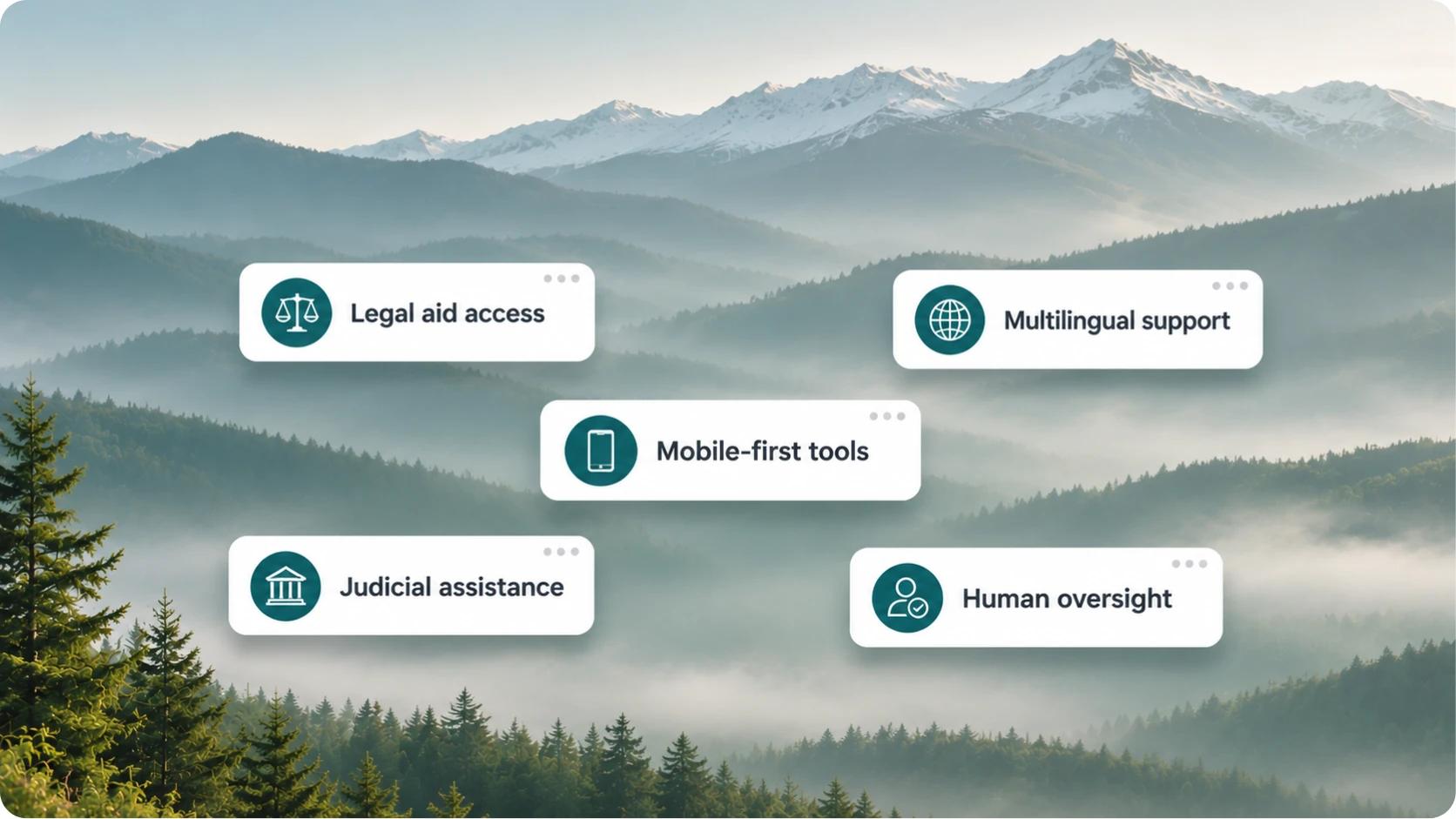
- How Legal Tech is Closing the Justice Gap in 2025Learn how legal-tech is bridging the justice gap globally, from India to the US and Singapore making legal help accessible, multilingual, mobile and meaningful.
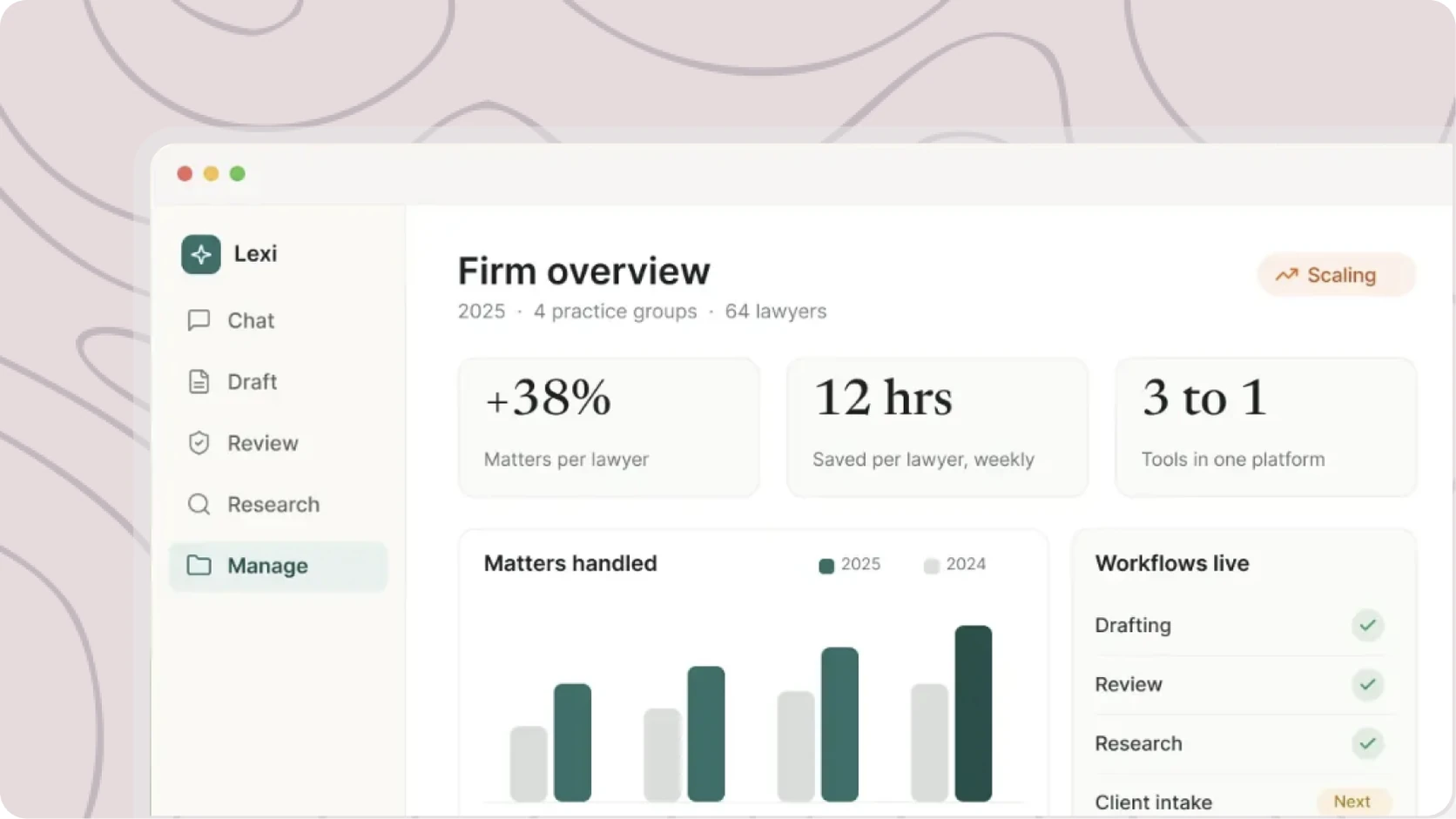
- How Midsize Law Firms Scale with Technology in 2025For decades, midsize law firms sat in a difficult spot, too small to match the resources of BigLaw, yet too large to operate with startup agility. But 2025 marks a turning point. Technology is now the great equalizer, helping midsize firms compete for clients, talent, and efficiency on a global scale. The question isn’t whether to digitize, it’s how to scale smartly without losing the human touch that defines great legal practice.
- Harvey vs LegoraCompare Harvey vs Legora and see how Lexi is redefining legal AI. Discover why smaller firms and in-house legal teams choose Lexi as their full-stack, end-to-end solution for automated legal workflows.

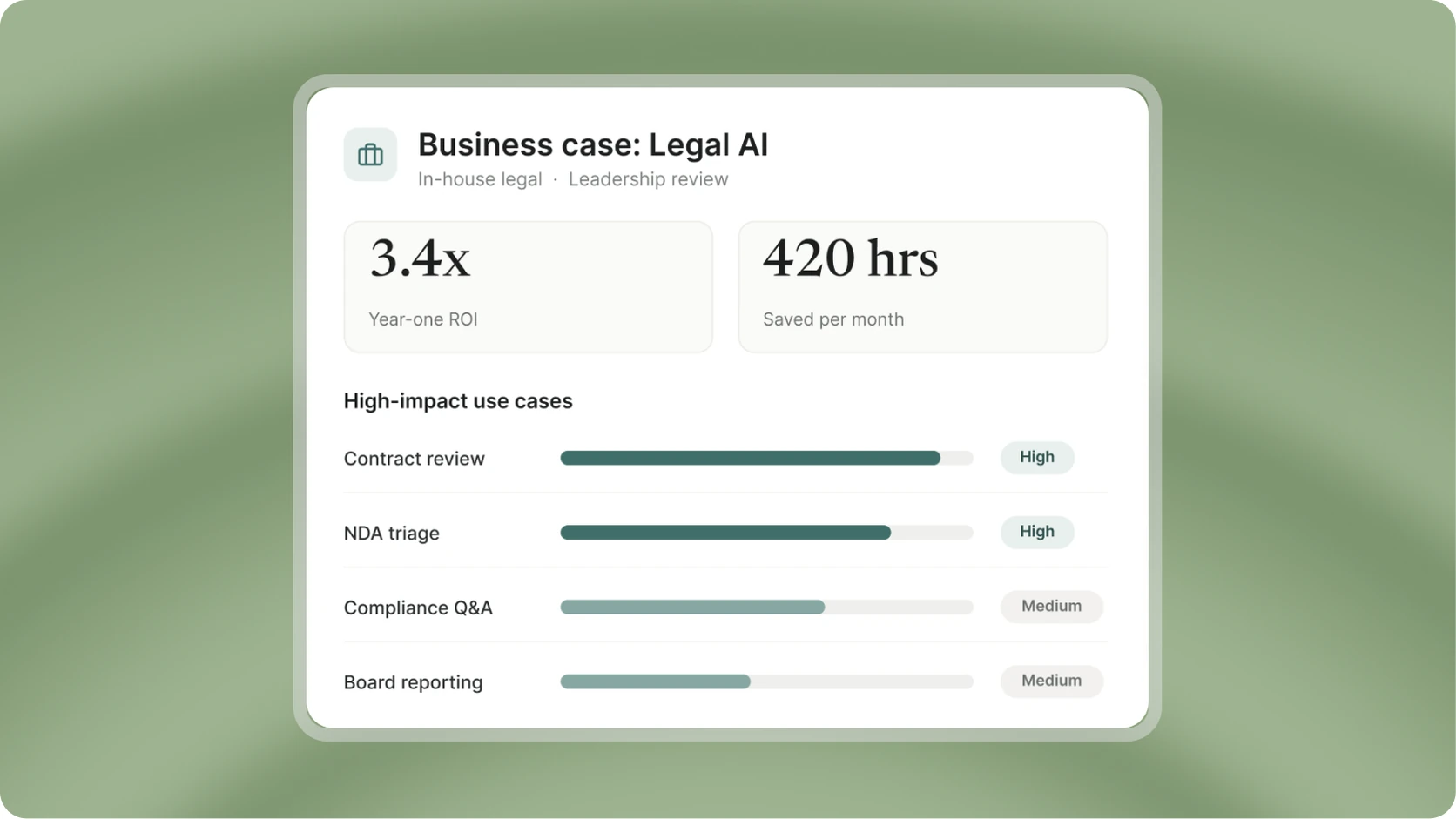
- Making the Case: How In-House Legal Teams Win with AIA practical guide for in-house legal teams on how to build the business case for AI adoption, from identifying high-impact use cases and quantifying ROI to managing risk, winning stakeholder buy-in, and turning legal from a cost center into a strategic business partner.

See Lexi in action
See your legal work come together.
Explore how Lexi brings research, documents and matter management into one connected workspace. Book a personalised demo built around the way your team works.
Book a demo